


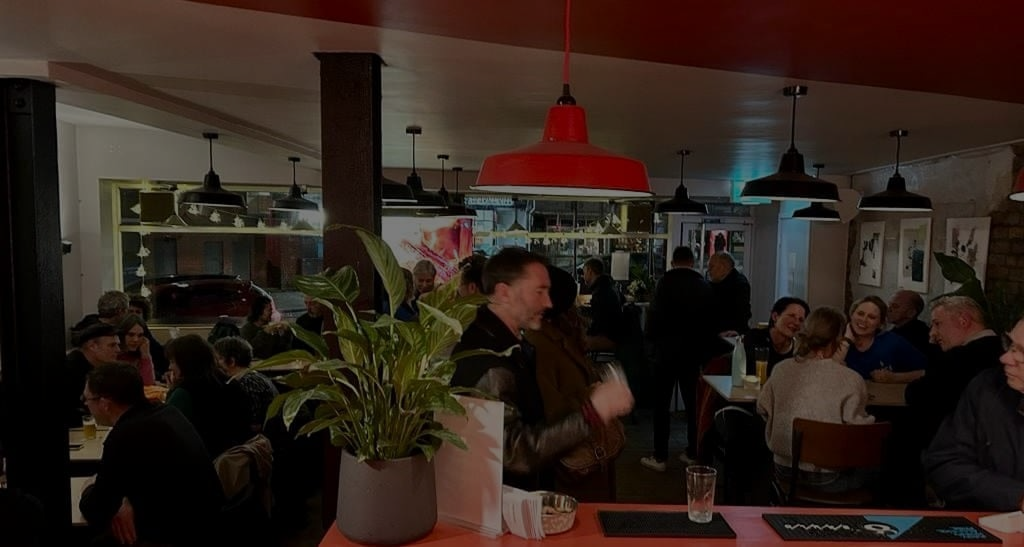
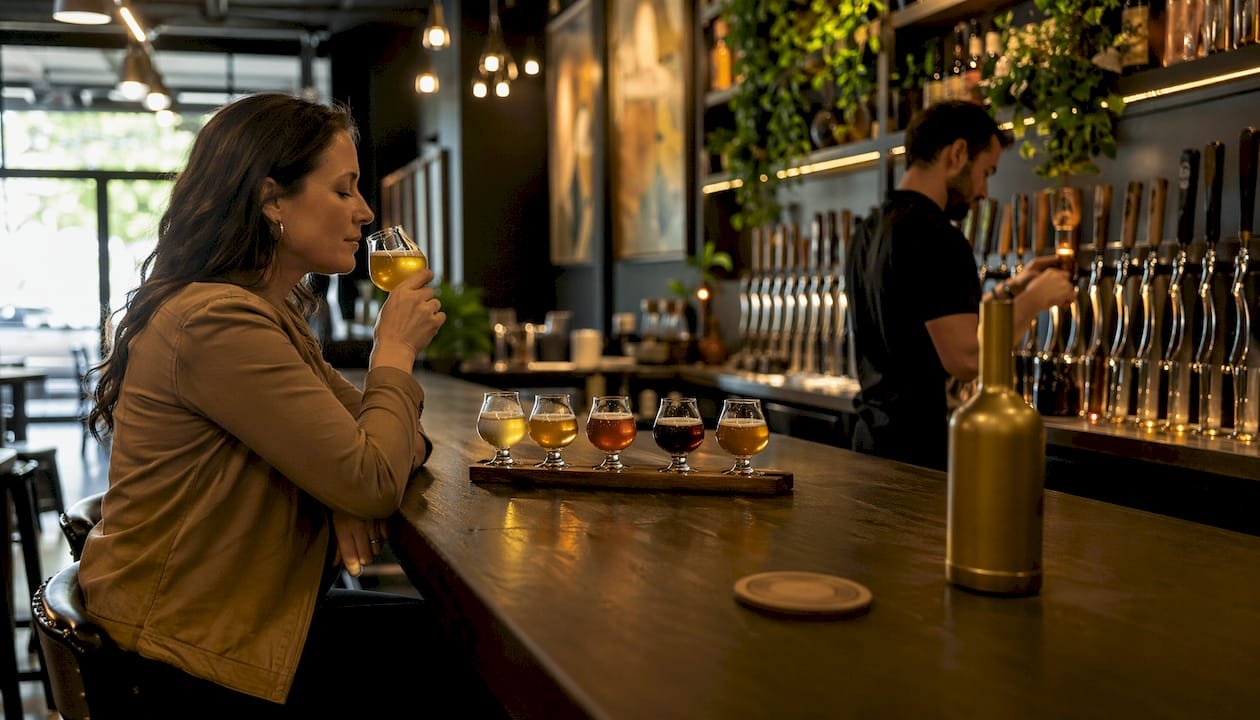
What Is a Taproom? Your Guide to Craft Beer Culture
A taproom is defined as a hospitality space connected directly to a brewery where customers sample and buy beer straight from the source. Unlike a traditional pub or bar, a taproom serves only that brewery’s own beers, creating an experience built entirely around one brand’s identity and craft. This focused model is central to modern craft beer culture, and understanding the taproom meaning helps you get far more out of every visit. Whether you are new to craft beer or a seasoned enthusiast, knowing what to expect changes everything.
What is a taproom, exactly?
A taproom is a specialized hospitality space connected to a brewery where customers sample and purchase beer directly from the producer. The taproom definition sets it apart from every other drinking venue: it serves only the brewery’s own beers, with no guest taps, no multi-brand selections, and no diluted identity. You are drinking the beer exactly as the brewer made it, in the place where it was made.
The term “taproom” has its roots in the simple idea of a room with taps. The modern version, though, is far more deliberate. Today’s taprooms are brand environments as much as they are drinking spaces. The design, the staff, the glassware, and even the music reflect the brewery’s character. That coherence is what separates a taproom from a generic bar.
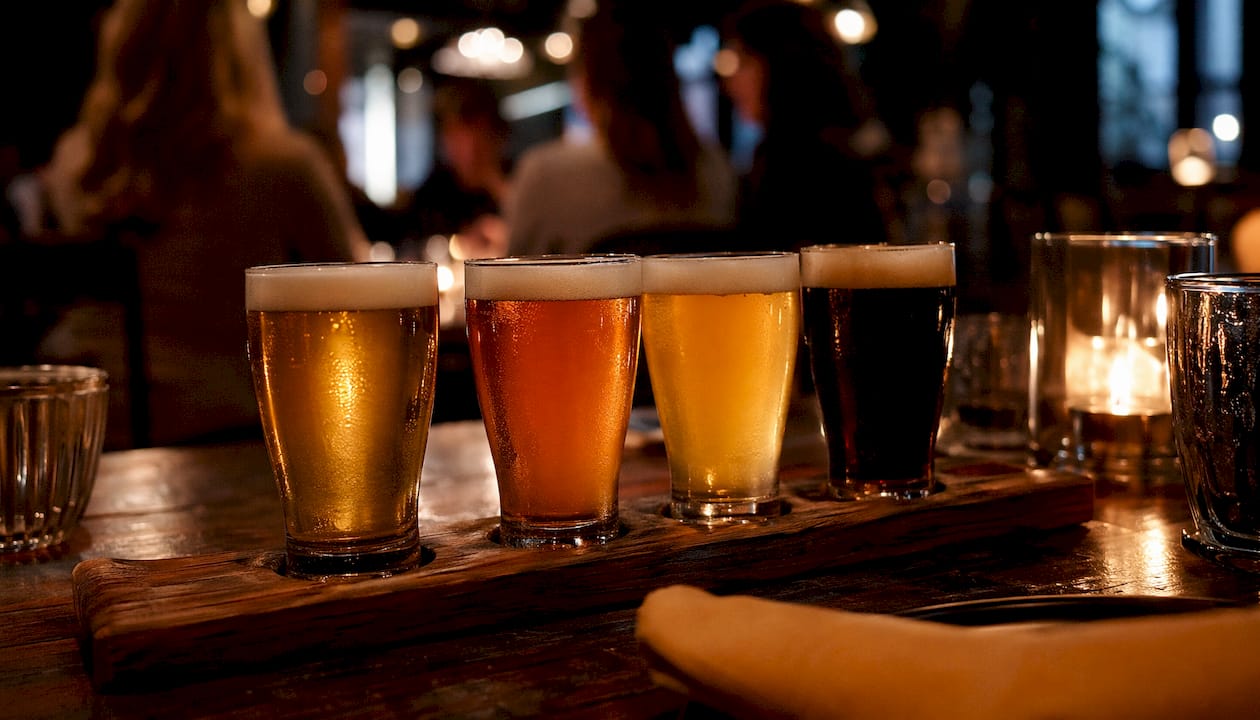
A taproom also differs from a brewpub. A brewpub operates like a full restaurant, with a kitchen, a broad food menu, and table service. A taproom keeps things simpler. It focuses on the beer, the conversation, and the direct connection between brewer and drinker. That simplicity is a feature, not a limitation.
Key features that define a taproom
Taprooms share a consistent set of characteristics that shape the visitor experience. Knowing these features before you walk in removes any uncertainty.
- Single-brewery beer selection. A taproom serves only the brewery’s own beers, which means every tap tells part of the same story. This depth over variety approach rewards curious drinkers.
- No full kitchen. Most taprooms do not hold a full kitchen license. You bring your own food, order delivery, or pick up something nearby. Always check the food policy before you visit.
- Open, social layouts. Bar-style service with communal seating encourages conversation between strangers. There are no formal table reservations and no complex bills.
- Beer to go. Most taprooms sell cans, bottles, or filled growlers directly. You leave with beer as fresh as it gets.
- Brand-aligned design. Modern taproom design has moved well past the rustic “used barrel” look. Today’s spaces use cohesive visual identities that appeal to first-timers and regulars alike.
- Taproom vs taphouse distinction. A taphouse serves beers from multiple breweries. A taproom focuses on one brand, which creates a fundamentally different experience built on depth rather than breadth.
Pro Tip: Ask the staff which beers are on tap for the first time or are available in limited quantities. Taprooms often pour experimental batches and one-off releases that never reach distribution.
Why do breweries prefer taprooms over pubs?
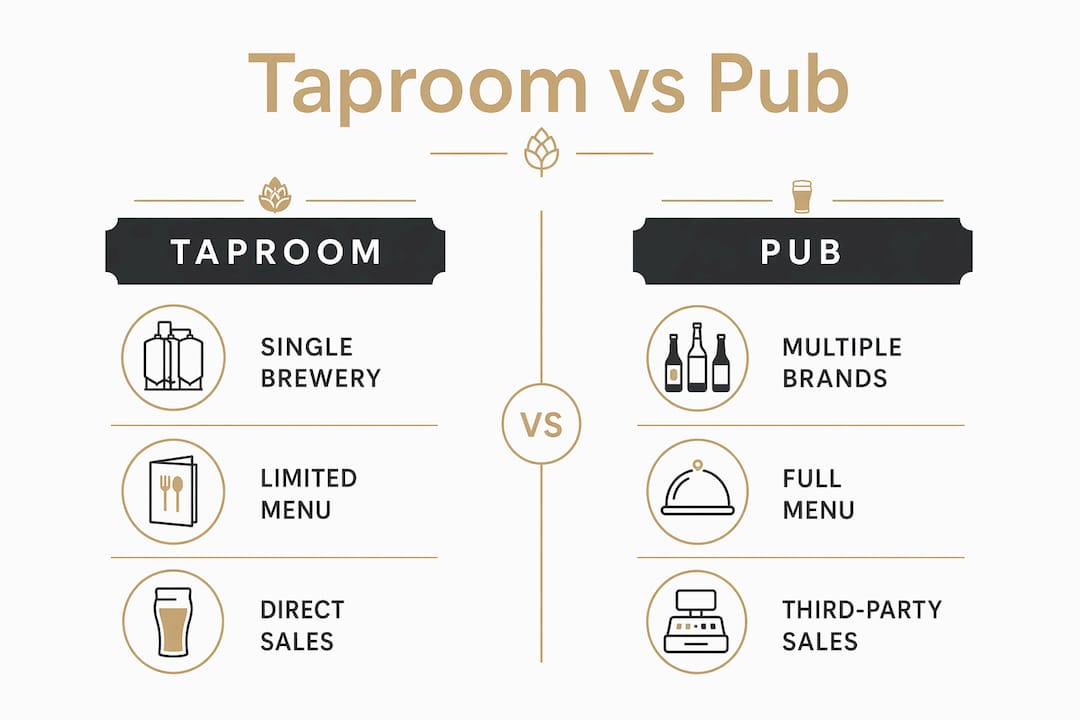
The economic case for taprooms is straightforward. Taprooms operate under more sustainable models for small and mid-sized breweries by cutting costs that pubs cannot avoid. No kitchen means no kitchen staff, no food licensing, and no food waste. That reduction in overhead is significant for a brewery running on tight margins.
The operational advantages go beyond cost savings. Here is how taprooms give breweries a structural edge:
- Higher profit margins. Selling beer directly in a taproom yields better margins than selling wholesale to pubs. Every pint poured on-site returns more to the brewery than a keg shipped to a third party.
- Full quality control. Breweries control storage, line cleanliness, and pouring technique in their own taprooms. That control is difficult to achieve in third-party pubs where cellar management varies widely.
- Targeted audience. Taproom visitors choose to be there. They are already interested in craft beer, which means staff spend less time explaining and more time engaging.
- Simplified operations. Taprooms typically operate with reduced hours and less daily complexity than pubs. That predictability suits a small brewery team.
- Reinvestment capacity. Reduced overhead and stronger margins free up capital for new brewing equipment, staff training, and product development.
“Breweries value taprooms because they offer operational certainty and allow them to target an enthusiastic, specific audience rather than catering to the broad demands of pub patrons.”
This model is especially powerful for independent breweries competing against larger brands. A taproom gives a small producer a retail presence without the overhead of running a full hospitality business.
What to expect when you visit a taproom
The taproom experience is deliberately casual. Bar-style service means you order at the bar, pay as you go, and sit wherever you like. There are no dress codes, no reservations, and no pressure to order food. The atmosphere encourages you to stay as long as the beer holds your interest.
- Tasting flights. Most taprooms offer small pours so you can try several beers without committing to a full pint. This is the best way to work through a new brewery’s range.
- Rare and experimental beers. Taprooms regularly pour barrel-aged releases, seasonal one-offs, and test batches that never reach distribution. These are the beers worth traveling for.
- Brewer access. Staff in taprooms are often brewers or people with deep knowledge of the process. Ask questions. The answers are usually worth hearing.
- Food flexibility. Most taprooms permit external food or food delivery, but policies vary by venue and local licensing rules. Check ahead so you are not caught out.
- Community atmosphere. The open layout and shared tables mean you will likely end up talking to people you did not arrive with. That social dynamic is part of the design.
Pro Tip: Check the taproom’s online menu before you visit. Many post their current tap list so you can plan which beers to prioritize, especially if you are chasing a limited release.
Why taprooms matter in modern craft beer culture
Taprooms have become the defining venue of the craft beer movement. The direct interaction between brewers and consumers builds brand loyalty in a way that no pub arrangement can replicate. When you drink a beer in the place it was made, and talk to the person who made it, the experience becomes memorable rather than transactional.
“Taprooms uniquely foster meaningful brewer-to-consumer interactions that build strong loyalty and provide tasting experiences not found in typical pubs.”
The cultural significance of taprooms extends beyond individual visits. They function as community anchors, hosting events, collaborating with local producers, and giving neighborhoods a gathering point built around shared taste. The CAMRA beer festival model and the taproom model share the same underlying value: beer is better when it connects people.
The contrast with a generic pub experience is sharp. A pub serves beer as a commodity. A taproom presents it as a craft, with context, story, and intention behind every pour. That shift in framing changes how drinkers engage with what is in their glass.
| Feature | Taproom | Traditional pub |
|---|---|---|
| Beer selection | Single brewery only | Multiple brands |
| Food service | Rarely; bring your own | Usually full menu |
| Brewer access | Common | Rare |
| Atmosphere | Brand-focused, casual | General hospitality |
| Rare/experimental beers | Frequently available | Uncommon |
Modern taproom design reinforces this cultural role. The move toward stylish, brand-consistent spaces has made taprooms welcoming to people who would never have described themselves as craft beer fans. Good design lowers the barrier to entry without lowering the quality of what is poured.
Key Takeaways
A taproom is the most direct way to experience a brewery’s beer as the brewer intended, combining quality control, community, and authenticity in a single venue.
| Point | Details |
|---|---|
| Taproom definition | A taproom serves only one brewery’s own beers, directly from the source, in a brand-aligned space. |
| No kitchen, no problem | Most taprooms allow you to bring food or order delivery; always check the policy before visiting. |
| Better margins for breweries | Direct sales in taprooms yield higher returns than wholesale pub distribution. |
| Quality stays consistent | Brewery control over storage and pouring means you taste beer exactly as intended. |
| Community is the product | Taprooms build loyalty through brewer access, events, and a social atmosphere pubs cannot replicate. |
Why taprooms are the most honest place to drink beer
I have spent years visiting taprooms across the UK, and the thing that still surprises me is how different the experience feels from even a well-run pub. The honesty of the format is what gets me. There is no hiding behind a broad tap list or a kitchen that distracts from mediocre beer. A taproom lives or dies on the quality of what it brews.
First-time visitors often arrive expecting something more formal. They leave surprised by how relaxed it is. My advice: go without a plan. Order the flight. Talk to whoever is pouring. The best taproom visits I have had started with a question I was slightly embarrassed to ask and ended with a beer I had never heard of becoming a new favorite.
The future of taprooms is not just about beer. The venues that will matter most are the ones that treat community as seriously as they treat craft. That means events, local partnerships, and a genuine investment in the neighborhood. The taprooms doing that work are the ones worth seeking out.
— Jon
Lost And Found: Brighton’s craft beer taproom worth visiting
Lostandfoundbrighton brings the taproom model to Brighton’s Fiveways neighborhood with a focus on independent UK breweries and a rotating selection that rewards repeat visits. The beer and food menus are available online, so you can check what is pouring before you arrive.
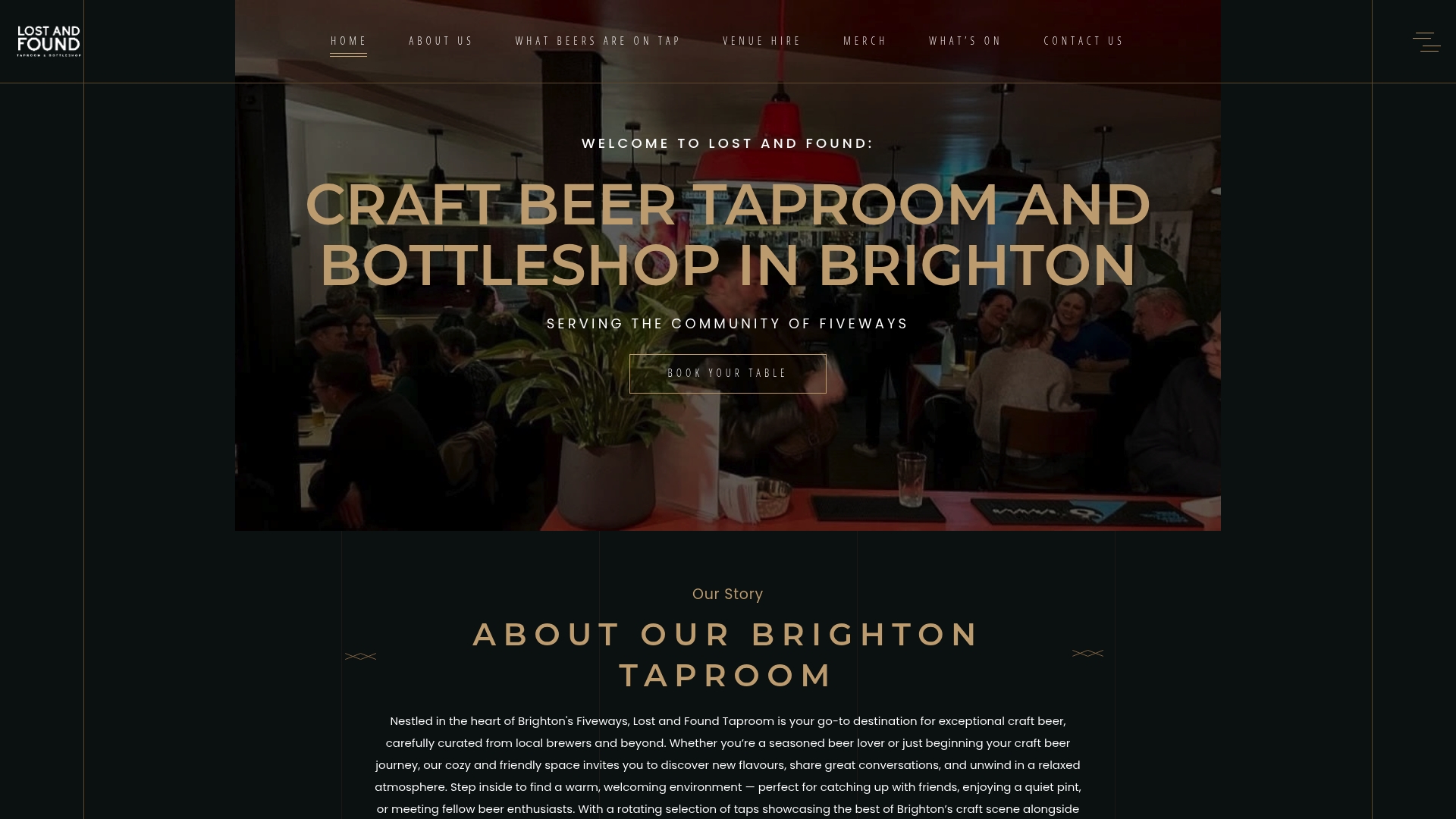
Lost And Found hosts events that connect the local community with the craft beer scene, from tap takeovers to seasonal tastings. The venue also welcomes outside food, keeping the experience relaxed and accessible. If you want to understand what a taproom can be at its best, Lostandfoundbrighton is a strong place to start. Visit lostandfoundbrighton.com to plan your visit.
FAQ
What is the taproom meaning in simple terms?
A taproom is a space attached to or operated by a brewery where customers drink and buy beer directly from the producer. It serves only that brewery’s own beers, with no guest taps or mixed-brand selections.
How does a taproom differ from a brewpub?
A brewpub operates as a full restaurant with a kitchen and table service. A taproom keeps the focus on beer, typically without a kitchen, and uses bar-style service in a more casual setting.
Do taprooms serve food?
Most taprooms do not have full kitchens and are not required to serve food. Many permit customers to bring their own food or order delivery, though policies vary by venue and local licensing rules.
What beers can you find in a taproom?
Taprooms serve only the beers produced by the connected brewery, which often includes experimental batches, seasonal releases, and barrel-aged beers not available anywhere else.
Why are taprooms good for small breweries?
Taprooms give small breweries higher profit margins through direct sales, full control over beer quality, and a targeted audience of craft beer enthusiasts, all with lower overhead than running a traditional pub.
Recommended
- Why Brighton Taprooms Will Change the Way You Think About Community (And Beer) – Lost And Found Craft Beer Taproom Brighton
- Cheers to the Brighton 10k! Refuel and Celebrate at Lost and Found Taproom – Lost And Found Craft Beer Taproom Brighton
- Brighton’s New Licensing Policy 2025: What Craft Beer Fans and Taprooms Need to Know – Lost And Found Craft Beer Taproom Brighton
- A Mother’s Day Toast: Introduce Her to the Best of Sussex Craft Beer – Lost And Found Craft Beer Taproom Brighton