


Your vegan beer guide to UK craft ales in 2026
What actually makes a beer vegan?
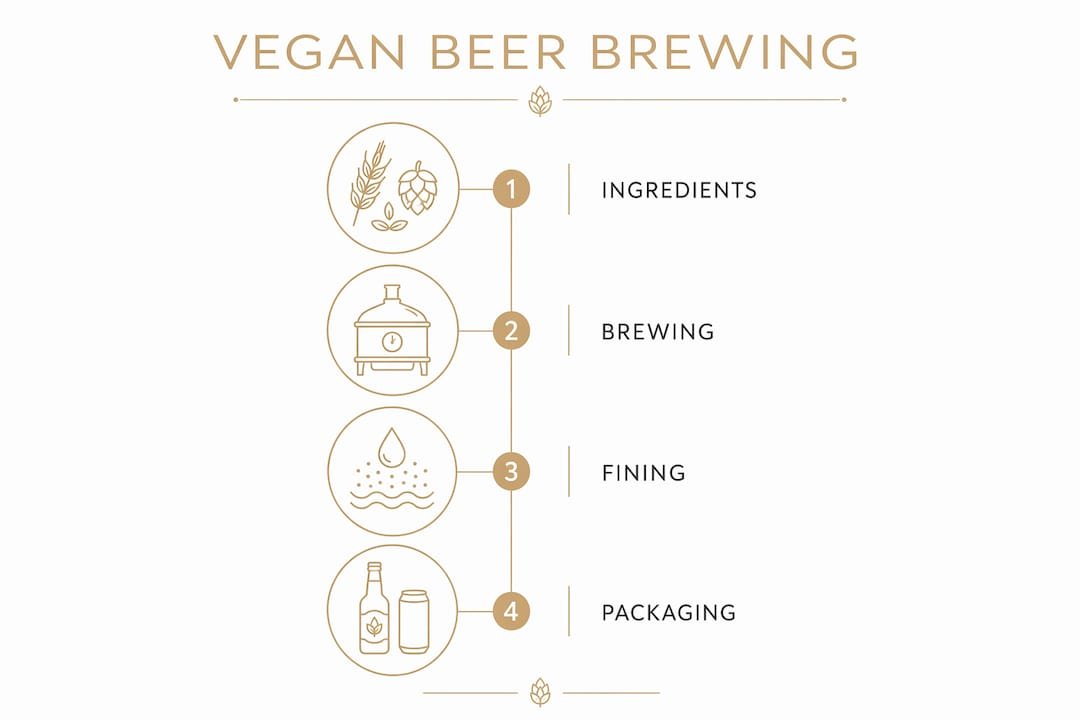
Most beer starts with four ingredients: barley, hops, water, and yeast. All vegan. The problem arrives later, during clarification. Many brewers add fining agents to drop yeast and protein particles out of suspension, and the most common one in the UK is isinglass, made from dried fish swim bladders. Gelatin, casein (a milk protein), and albumin (egg white) are also used.
Here is the catch: UK law does not require ingredient listing on beers above 1.2% ABV. Isinglass is specifically exempt from allergen labelling, so you genuinely cannot tell from the packaging alone. Lactose and honey are easier to spot when declared, but isinglass? Invisible.
How to identify vegan beers in the UK:
- Look for the Vegan Society Trademark on the label — it guarantees no animal ingredients and no animal testing
- Check Barnivore.com, which holds tens of thousands of beer records with up-to-date vegan status
- Ask the brewery or taproom directly — most are happy to confirm
- Traditional British cask ales are the highest-risk category; modern craft cans and bottles are generally safer
- Milk stouts almost always contain lactose; honey beers are labelled but worth double-checking
Pro Tip: When you’re at a bar and unsure, search the brewery name on Barnivore before you order. It takes ten seconds and the database is genuinely comprehensive.
Table of Contents
- How the UK craft beer scene is shifting towards vegan options
- Popular UK vegan beer brands worth knowing
- Pairing vegan beers with food
- Lost And Found Taproom: where vegan craft beer is the default
- Key takeaways
How the UK craft beer scene is shifting towards vegan options
The craft beer revolution has done more for vegan drinkers than any labelling campaign. Newer breweries, particularly those founded post-2010, largely skipped isinglass from the start. Their customers cared, and the brewers listened. Many now use vegan-friendly alternatives such as Irish moss, silica gel, and activated carbon, which clear the beer without animal products. Others simply embrace the haze.
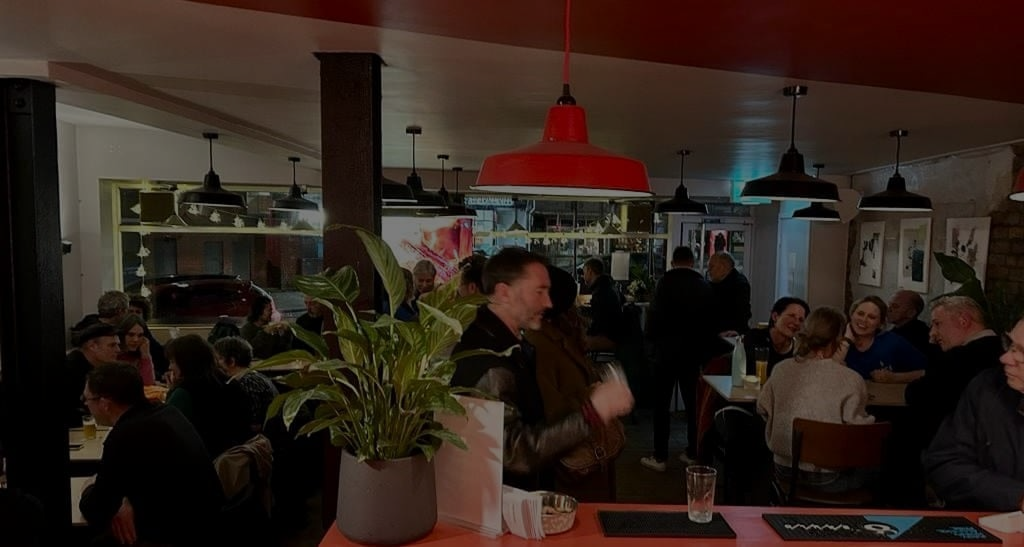
Lost And Found Taproom in Brighton’s Fiveways neighbourhood sits squarely in this shift. The taproom curates a rotating selection of independent, locally sourced craft beers, with the full menu available online so you can check what’s pouring before you visit. Staff are knowledgeable about provenance and production, which matters when you want a straight answer about fining agents rather than a shrug.
Key shifts in the UK vegan beer scene:
- Isinglass use is declining sharply among craft breweries, replaced by plant-based or mechanical clarification
- Hazy, unfiltered styles have normalised the idea that beer doesn’t need to be crystal clear
- CAMRA maintains a vegan-friendly cask ale list for real ale drinkers who don’t want to give up the hand pump
- Consumer demand has pushed even large producers to reformulate — Guinness completed its switch to fully vegan production in 2017
- Transparency is becoming a selling point, not an afterthought
If you want the freshest information about what’s vegan on tap locally, talking to the team at Lost And Found Taproom beats any app. They stock Brighton local brews alongside wider UK independents, and the selection rotates regularly.
Popular UK vegan beer brands worth knowing
Several well-known names are reliably vegan, which takes the guesswork out of a round.
Guinness is the headline example. After more than 250 years using isinglass, the brand completed its switch to vegan-friendly filtration in 2017. All variants, including draught, canned, and Guinness 0.0, are now suitable for vegans.
Samuel Smith’s, Yorkshire’s oldest brewery, registered a substantial portion of its range with the Vegan Society back in 1998. Worth noting: the cask Old Brewery Bitter and bottled Yorkshire Stingo are exceptions, so check the specific product.
Heineken confirms all its beers are suitable for vegans and vegetarians. German beers more broadly tend to be vegan by default, since the Reinheitsgebot purity law restricts ingredients to water, malt, hops, and yeast.
Carlsberg, Corona, Becks, and Budweiser are all confirmed vegan across their core ranges. Coors is vegan across its lineup too, with the exception of honey-flavoured variants.
On the craft side, breweries like Cloudwater, Magic Rock, and Beavertown have built their reputations partly on transparency. Most of their core ranges are vegan, though it’s always worth a quick Barnivore check for limited releases.
Traditional cask ales from Greene King, Marston’s, Theakston, and Carling still use isinglass in many products. Not a blanket rule across every product, but the default assumption should be non-vegan unless confirmed otherwise.
Pairing vegan beers with food
Beer and food pairing follows the same logic whether the beer is vegan or not. The difference is choosing accompaniments that match the vegan commitment.
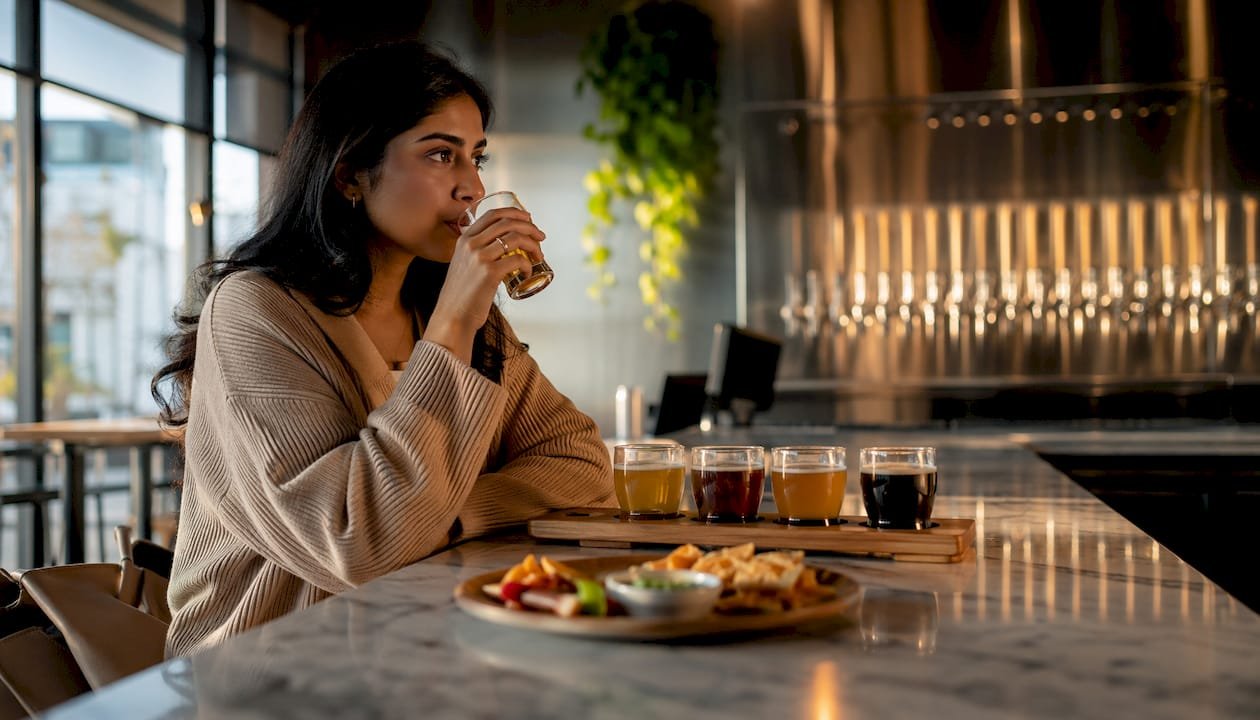
Hoppy IPAs cut through rich, fatty dishes brilliantly. A West Coast IPA alongside crispy fried tofu, spiced chickpea flatbreads, or a sharp vegan cheese board works because the bitterness resets the palate between bites.
Pale ales and session beers are the most versatile. They sit comfortably next to lighter fare: hummus and flatbreads, roasted vegetable dishes, or a simple green salad with a punchy dressing. Nothing fights, nothing dominates.
Stouts and porters (vegan ones, so check for lactose) pair naturally with umami-forward food. Mushroom burgers, miso-glazed aubergine, or dark chocolate desserts all echo the roasted, slightly bitter character of the beer.
Wheat beers and hazy pale ales love citrus and spice. Thai-style dishes, lemon-dressed salads, and anything with fresh herbs are natural partners. The soft carbonation and fruity esters in a good hazy pale complement rather than clash.
Lost And Found Taproom regularly hosts street food collaborations, so the pairing conversation happens naturally on-site. Check the events programme to see what’s coming up.
Lost And Found Taproom: where vegan craft beer is the default
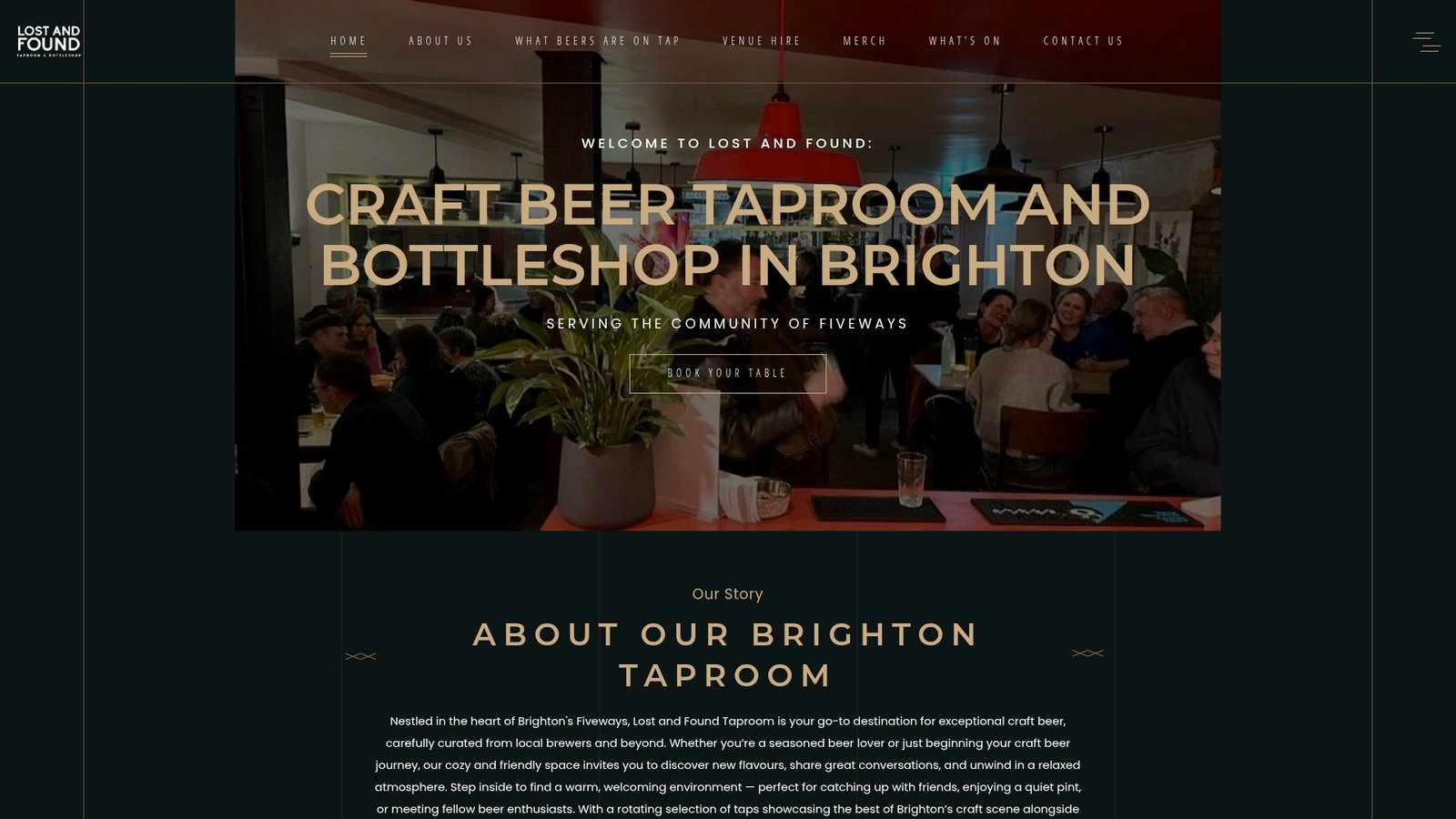
For anyone in Brighton who wants vegan-friendly craft beer without the research burden, Lost And Found Taproom in Fiveways is the straightforward answer. The rotating tap list skews heavily towards independent UK breweries that are transparent about their production methods, and the team can tell you exactly what’s vegan on any given visit. No guesswork, no vague answers.
The beer menu is available online and updated regularly, so you can plan ahead or simply turn up knowing the selection changes. Take-home bottles and cans are available alongside on-site pints, and the venue hosts events that connect the local craft beer community. If you’re curious about what’s currently pouring, or want to book the space for a private event, the Lost And Found Taproom team is the place to start.
Key takeaways
Most UK beers are vegan when produced by modern craft breweries, but traditional cask ales and some mainstream lagers still use animal-derived fining agents that packaging alone won’t reveal.
| Point | Details |
|---|---|
| Isinglass is the main issue | Made from fish swim bladders, it’s used to clarify beer and is exempt from UK allergen labelling. |
| Packaging won’t always tell you | UK law doesn’t require ingredient listing on beers above 1.2% ABV, so check Barnivore.com or ask directly. |
| Craft beers are generally safer | Most post-2010 craft breweries use vegan-friendly fining alternatives or leave beers unfiltered. |
| Guinness is now fully vegan | All Guinness variants have been isinglass-free since 2017, including draught and Guinness 0.0. |
| Lost And Found Taproom | Brighton’s Fiveways taproom curates rotating vegan-friendly independent beers with an online menu and knowledgeable staff. |
Recommended
- Are Brighton’s Independent Breweries Really Dying? The Truth About Our Local Beer Scene After Brighton Bier’s Closure – Lost And Found Craft Beer Taproom Brighton
- Brighton Taprooms & Business Rates: What 2026 Holds for Independent Venues – Lost And Found Craft Beer Taproom Brighton
- Are Hazy IPAs Dead? Why Brighton is Rediscovering the Joy of Proper Independent Lager – Lost And Found Craft Beer Taproom Brighton
- Independent Brighton Breweries Matter: Why Your Next Pint at Fiveways is a Vote for Sussex Beer Survival – Lost And Found Craft Beer Taproom Brighton