


Sussex sparkling wine: where to taste and buy in East Sussex
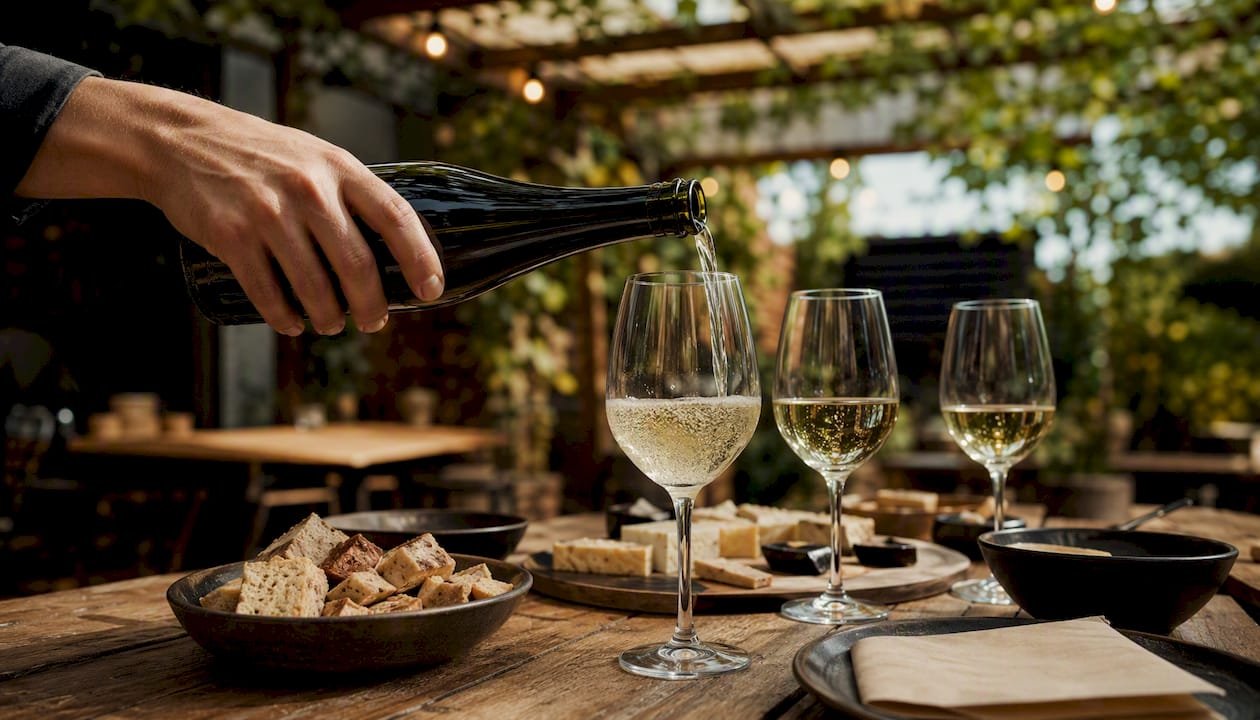
Sussex sparkling wine is a PDO-protected English sparkling category that consistently punches above its price point. Expect bright acidity, a chalky mineral edge, and citrus or green-apple fruit with a lighter brioche character than most Champagnes. The Food Standards Agency reported a 55% rise in UK wine production for 2025, with millions of bottles produced across the UK, making this an excellent moment to explore what East Sussex is producing.
Seven verified local places to taste or buy:
- Tinwood Estate (near Chichester) — estate-grown Classic Cuvée and Blanc de Blancs, with tours and a tasting room
- Wiston Estate Winery and Chalk Restaurant (Washington, West Sussex) — on-site restaurant pairing makes it a full day out
- Artelium Wine Estate (Plumpton, East Sussex) — boutique estate with a strong rosé programme
- Lost And Found Taproom & Bottleshop (Brighton, Fiveways) — rotating Sussex bottles by the glass, no estate visit required
- Nyetimber Manor Vineyard (West Chiltington) — one of England’s most decorated producers, widely available
- Oastbrook Estate Vineyard (Robertsbridge, East Sussex) — small-batch, estate-only releases with vineyard walks
- Roebuck Estates (East Sussex) — Classic Cuvée, Rosé de Noirs, Blanc de Blancs and visitor tastings
Pro Tip: If you want to try several Sussex styles side by side without driving between estates, Lost And Found Taproom rotates bottles from multiple producers so you can compare in a single sitting.
Key takeaways
Sussex sparkling wine is a PDO-protected English sparkling category with genuine quality credentials, a distinct mineral-citrus profile, and a 2025 vintage shaped by record-breaking ripeness across the UK.
| Point | Details |
|---|---|
| PDO label is a real guarantee | The Sussex PDO confirms grapes were grown and wine was made in Sussex; look for it on the label. |
| 2025 vintage is riper than usual | The FSA reported a 55% rise in UK production for 2025; expect fruitier, earlier-drinking bottles from this year. |
| Style differs from Champagne | Higher acidity, chalky mineral notes and lighter brioche character; closer to Chablis in feel than a toasty grande marque. |
| Seven local places to taste or buy | Tinwood, Wiston, Artelium, Nyetimber, Oastbrook, Roebuck Estates, and Lost And Found Taproom in Brighton. |
| Lost And Found Taproom | Rotating Sussex bottles by the glass in Brighton’s Fiveways; no booking needed for walk-ins. |
Table of Contents
- Which Sussex sparkling wine producers should you visit or buy from?
- How do you choose the right Sussex sparkling to taste or buy?
- What does Sussex sparkling taste like, and how does it compare with Champagne?
- Where to taste Sussex fizz in Brighton: a local taproom view
- Why Sussex sparkling deserves more than a special-occasion slot
- Taste Sussex sparkling at Lost And Found Taproom & Bottleshop
- Sources
Which Sussex sparkling wine producers should you visit or buy from?
The seven estates and venues below cover the full range of styles, price points and visitor experiences available in East Sussex and the wider Sussex region.
All seven producers are eligible to use the Sussex PDO, which guarantees grapes were grown and wine was made within the Sussex region. The BBC confirmed that Sussex wines joined Champagne and Prosecco in receiving this geographical protection, giving the label genuine legal weight.
Practical visit notes:
- Wiston Estate and Tinwood Estate both recommend booking ahead, especially at weekends
- Roebuck Estates offers a wine club for regular deliveries and member-only releases
- Lost And Found Taproom in Brighton’s Fiveways requires no booking for walk-in tastings; private events can be reserved via the venue hire page
- Oastbrook Estate releases are often estate-only, so buying direct is the most reliable route
How do you choose the right Sussex sparkling to taste or buy?
A clear decision process saves you from picking a bottle that doesn’t suit the occasion.
- Set your occasion and budget. A celebratory bottle warrants spending £35–£50 on a vintage release or prestige cuvée. For a weeknight glass or a tasting flight, non-vintage bottles in the £25–£35 range deliver excellent value.
- Decide on style. Classic Cuvée (Chardonnay-led, fresh and citrus-driven) suits aperitif occasions. Blanc de Blancs is the leanest, most mineral expression. Rosé and Rosé de Noirs offer red-fruit character and pair well with food. Blanc de Noirs is richer and fuller-bodied.
- Vintage vs non-vintage. Non-vintage bottles are blended for consistency and are usually the best introduction. Vintage releases reflect a single year’s conditions; the 2025 harvest, with its unusually high ripeness and sugar levels, is expected to produce fruitier, earlier-drinking bottles.
- Check for the PDO label. A bottle carrying the Sussex PDO guarantees regional origin and production standards. Some producers choose not to apply it for branding reasons, so its absence doesn’t disqualify a bottle, but its presence is a reliable trust signal.
- Choose where to buy. Estate direct gives you the widest range and the chance to ask questions. A curated bottle shop like Lost And Found Taproom lets you compare producers without committing to a full case. For storage and ageing advice, resources like wine storage guidance are worth consulting before buying in quantity.
Questions worth asking at a tasting: What is the disgorgement date? What dosage level was used? How much reserve wine went into the blend? These three answers tell you more about a bottle’s style and ageability than the label alone.
Red flags: avoid bottles with no vintage or disgorgement information at a premium price point; be sceptical of unusually cheap bottles claiming rare single-vineyard status; and check that any PDO claim on the label matches the official register.
Pro Tip: Disgorgement date and dosage level are the two most practical markers of style. A low-dosage bottle (under 6g/l) will taste drier and more mineral; a higher dosage softens acidity and adds a rounder finish.
What does Sussex sparkling taste like, and how does it compare with Champagne?
The three principal grape varieties are Chardonnay, Pinot Noir and Pinot Meunier, the same trio used in Champagne. Both regions share chalk subsoils, and both use the traditional method of secondary fermentation in bottle. The difference is in what the climate produces.
House & Garden’s expert panel noted that Sussex sparklings trend toward higher acidity and a more pronounced chalky mineral character, with producers increasingly managing oak ageing and reserve-wine inclusion to add complexity without losing freshness. The result is a style that is generally lighter and crisper than Champagne, with less of the toasty, biscuity depth that comes from extended lees ageing in the grandes maisons. Analysis from 12×75 confirms that English fizz tends to be lighter and fresher, with the chalk soils beneath both regions producing comparable mineral tension.
The 2025 vintage adds a new dimension. The WineGB 2025 harvest report noted strong yields and ripeness, meaning base wines for sparkling producers carried higher potential alcohol and sugar than cooler years. Expect 2025-vintage Sussex bottles to show riper stone-fruit notes alongside the usual citrus and mineral character.
Food pairings that work particularly well:
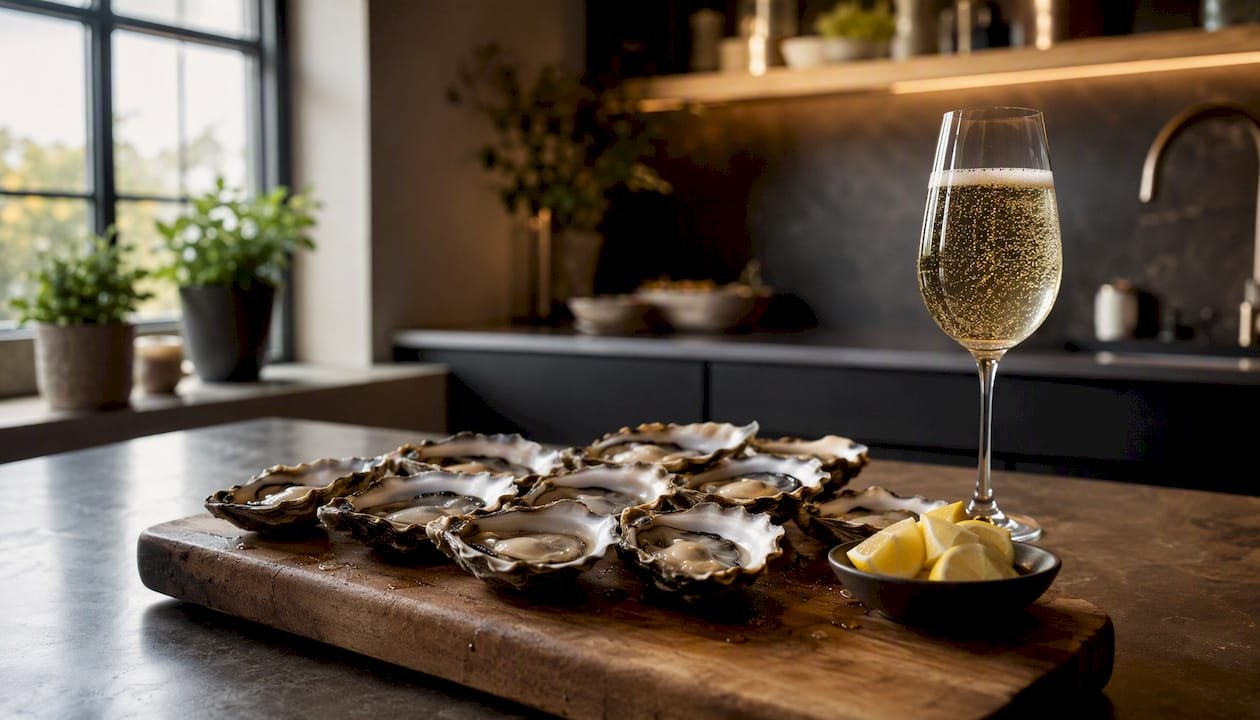
Seafood is the natural match. The high acidity cuts through dressed crab, oysters and grilled sea bass with the same precision as a good Chablis. Fried foods — fish and chips, tempura vegetables, crispy calamari — benefit from the same acidity-as-cleanser effect.
Soft cheeses such as Brie, Camembert or a local Sussex Brie work well with Classic Cuvée; the mineral edge prevents the pairing from becoming cloying. For afternoon tea, a Blanc de Blancs alongside finger sandwiches and plain scones is a genuinely excellent combination, and considerably more affordable than the Champagne equivalent.
Where to taste Sussex fizz in Brighton: a local taproom view
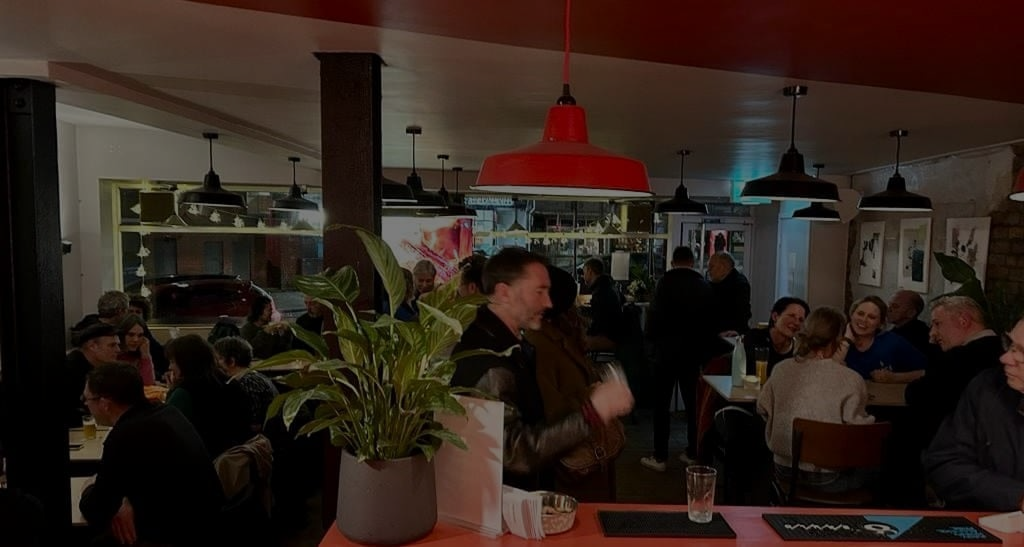
Lost And Found Taproom in Brighton’s Fiveways neighbourhood is the most accessible place in the city to taste Sussex sparkling without planning an estate visit. The bottle shop rotates Sussex producers regularly, and by-the-glass options mean you can compare a Classic Cuvée against a Rosé de Noirs in the same session. Check the current menu online before visiting to see what’s pouring.

For a deeper dive, the taproom hosts producer evenings and tasting flights where winemakers or brand representatives walk through their range. These events sell out, so joining the mailing list is the most reliable way to secure a spot.
Practical tips for visiting:
- Arrive early on Friday and Saturday evenings; seating fills quickly and walk-ins are first-come
- Ask staff about the current Sussex selection before ordering — the range changes as new bottles arrive
- Compare a non-vintage Classic Cuvée with a vintage release side by side to understand how a single year’s conditions change the wine
- The English wine Sussex guide on the Lost And Found site covers vineyard tours and broader tasting options if you want to plan an estate visit after your first glass
For groups or private tastings, the venue hire option is available with a minimum bar spend and no room hire fee.
Why Sussex sparkling deserves more than a special-occasion slot
The standard framing for Sussex sparkling, and English fizz generally, is that it is a “special occasion” wine. That framing undersells it and, frankly, keeps people from drinking it regularly when it would genuinely suit the moment. A well-made Classic Cuvée at £28–£32 is a more interesting Tuesday-night aperitif than most Champagne at twice the price, and the acidity makes it more food-friendly than many still whites.
What Sussex is still building is reserve-wine depth. The great Champagne houses blend across decades of reserve stock to create consistency and complexity. Sussex producers are younger, their reserves are smaller, and that shows in some non-vintage blends. It is not a flaw; it is a stage of development. The 2025 vintage’s exceptional ripeness may actually help producers build richer reserve stocks faster than cooler years allowed.
Lost And Found Taproom’s rotating selection reflects this: the bottles change because the region is changing, and tasting across producers and vintages is the most honest way to follow that progress.
Taste Sussex sparkling at Lost And Found Taproom & Bottleshop
Lost And Found Taproom is Brighton’s most practical starting point for Sussex sparkling. No estate visit, no car required. The bottle shop stocks rotating Sussex producers, and by-the-glass pours let you taste before you commit to a bottle.
Tasting nights and producer events run throughout the year, covering everything from Classic Cuvée flights to vintage comparisons. The food and beer menus are available online so you can check what’s currently pouring before you arrive. For private tastings or group bookings, venue hire is available with no room hire fee and a minimum bar spend. Walk in, ask what’s open, and start with a glass of something local.
Sources
Recommended
- English wine Sussex: what to try in Brighton
- August Craft Beer Styles at Lost and Found: What’s on Our Brighton Taps This Month – Lost And Found Craft Beer Taproom Brighton
- Brighton Beers: 20 Local Brews to Get You Started – Lost And Found Craft Beer Taproom Brighton
- Brighton Beers: 20 Local Brews to Get You Started – Lost And Found Craft Beer Taproom Brighton