

Is Your Favourite “Craft” Beer Actually Independent? 5 Signs You’re Backing a Global Corporate Giant
Walking into a craft beer taproom in Brighton, you’re usually met with a dizzying array of neon cans, tap handles with quirky names, and descriptions that sound more like a tropical fruit salad than a beverage. It’s exciting, right? You feel like you’re part of a movement, supporting the underdog and drinking something made with passion rather than a profit-first spreadsheet.
But here’s the cold, hard truth: the “craft” beer world isn't always as independent as it looks.
As the craft scene has exploded, the global beer giants: the ones whose logos you see on every football stadium and airport lounge: have been quietly buying up the very brands that once claimed to be the "counter-culture." They want the "craft" look and the premium price tag, but without the messy business of actually being a small, independent producer.
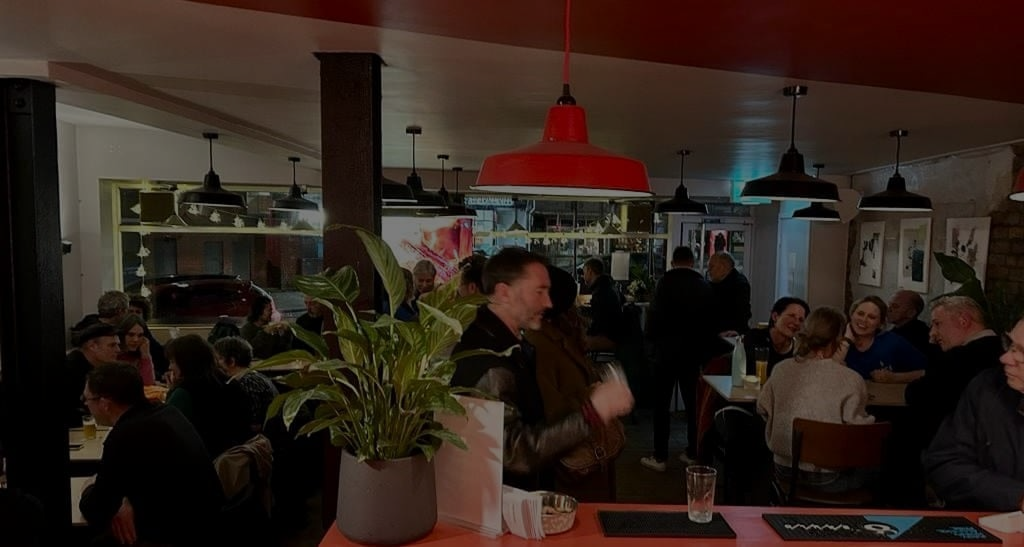
At Lost and Found, we’re a little obsessed with the "independent" part of independent beer. Located on Ditchling Road in the heart of the Fiveways community, our taproom was built on the idea of supporting genuine Sussex and Brighton breweries. We’re the antidote to big-label beer.
So, how do you know if your pint is actually independent or just a corporate shark in a tie-dye shirt? Here are five signs you might be backing a global giant without knowing it.
1. The "Parent Company" is a Household Name
The most obvious sign: though often the best hidden: is who actually owns the brand. In 2026, the landscape of "craft" beer is dominated by a few massive players.
Take Camden Town Brewery. Once a North London darling, it’s now 100% owned by AB InBev (the folks behind Budweiser and Stella Artois). Or Beavertown: those iconic space-themed cans? Entirely owned by Heineken. When you buy a Neck Oil, your money isn't staying in a local London community; it's heading to a global headquarters in Amsterdam.
While these beers might still taste okay, they no longer represent the independent spirit. They have access to global distribution and bottomless marketing budgets that true independent taprooms in Brighton struggle to compete with.
When we curate our selection at Lost and Found, we look for the "authentically independent." We’re talking about Sussex legends like Gun Brewery or UnBarred. These are people we know, brewers who stay rooted in their craft, and businesses where the owner is likely the one cleaning the mash tun at the end of the day.
2. You See it Literally Everywhere (The Supermarket Sweep)
Independence usually means smaller batches and limited distribution. If you can find a "craft" beer in every corner shop, petrol station, and supermarket aisle from Brighton to Berwick-upon-Tweed, it’s a major red flag.
Real craft beer is often a bit of a hunt. That’s part of the fun! It’s about discovering a fresh DIPA that’s just landed in your local Brighton taproom or grabbing a few unique cans from our fridge to take home.
Corporate-owned brands like Brixton Brewery (Heineken) or Meantime (Asahi) have the muscle to force their way onto every supermarket shelf in the country. This ubiquity usually comes at a cost: consistency over character. To make beer that lasts months on a warm supermarket shelf, they often have to pasteurise or filter it more aggressively, stripping away the very nuances that make craft beer special in the first place.
3. The "Local" Story Doesn't Add Up
Big beer loves a "local" story. They’ll keep the original brewery name and plaster the labels with references to a specific neighborhood, even if the beer is now being brewed in a massive industrial facility hundreds of miles away.
True independent beer is tied to its place. When you drink a pint from a Sussex brewery at Lost and Found, you're drinking the water, the culture, and the creativity of our region. We prioritize breweries from Brighton and across Sussex because that’s our home.
Want to see the difference? Check the small print. If it says "Brewed for [Brand Name] by [Global Entity]" or if the brewery address is a generic industrial estate in a different country, you’ve been "craft-washed." We prefer the transparency of seeing a local postcode on the can.

4. The Marketing is a Little Too "Perfect"
Independent breweries usually have marketing budgets that consist of a smartphone, a quirky Instagram account, and a lot of heart. If you see a craft brand with multi-million-pound TV ad campaigns, massive festival sponsorships, and "limited edition" merch in every high street store, you’re looking at corporate money.
At Lost and Found, we believe the beer should do the talking. We’re a cozy and friendly space where the "marketing" is the conversation you have with our team about what’s currently on tap. We don't need a Super Bowl ad to tell you our beer is good; you can taste it in every sip of our carefully curated local selection.
5. They’ve Taken Over All the Taps
Have you ever walked into a bar that claims to be a "craft beer haven," only to find that every single tap is owned by the same company? This is a classic corporate tactic.
Global giants will often offer "tied" deals to pubs: offering them cheaper lager or cellar equipment in exchange for exclusivity. This kills choice and squeezes out the small, independent brewers who can't afford to play that game.
Lost and Found is a fiercely independent Brighton venue. We don't have corporate masters telling us what to pour. Our taps rotate constantly because we want to showcase the best of the best, not the best of what a multinational conglomerate wants to sell us. Whether you’re a seasoned enthusiast or just starting your journey, our mission is to help you discover new flavours without the corporate filter.
Why Independence Matters to Us (and You!)
You might be thinking, "Does it really matter who owns the brewery if the beer tastes okay?"
To us, it matters deeply. Supporting independent beer is about:
- Keeping Money Local: When you spend money at an independent Brighton venue or buy a beer from a Sussex brewer, that money stays in our community. It supports local jobs and local families.
- Encouraging Innovation: Small brewers take risks. They experiment with wild yeasts, local fruits, and bold hop profiles. Global giants prefer "safe" beers that appeal to the widest possible audience.
- Preserving Variety: Without independent taprooms, the beer world would become a boring monopoly of slightly-different-tasting lagers.
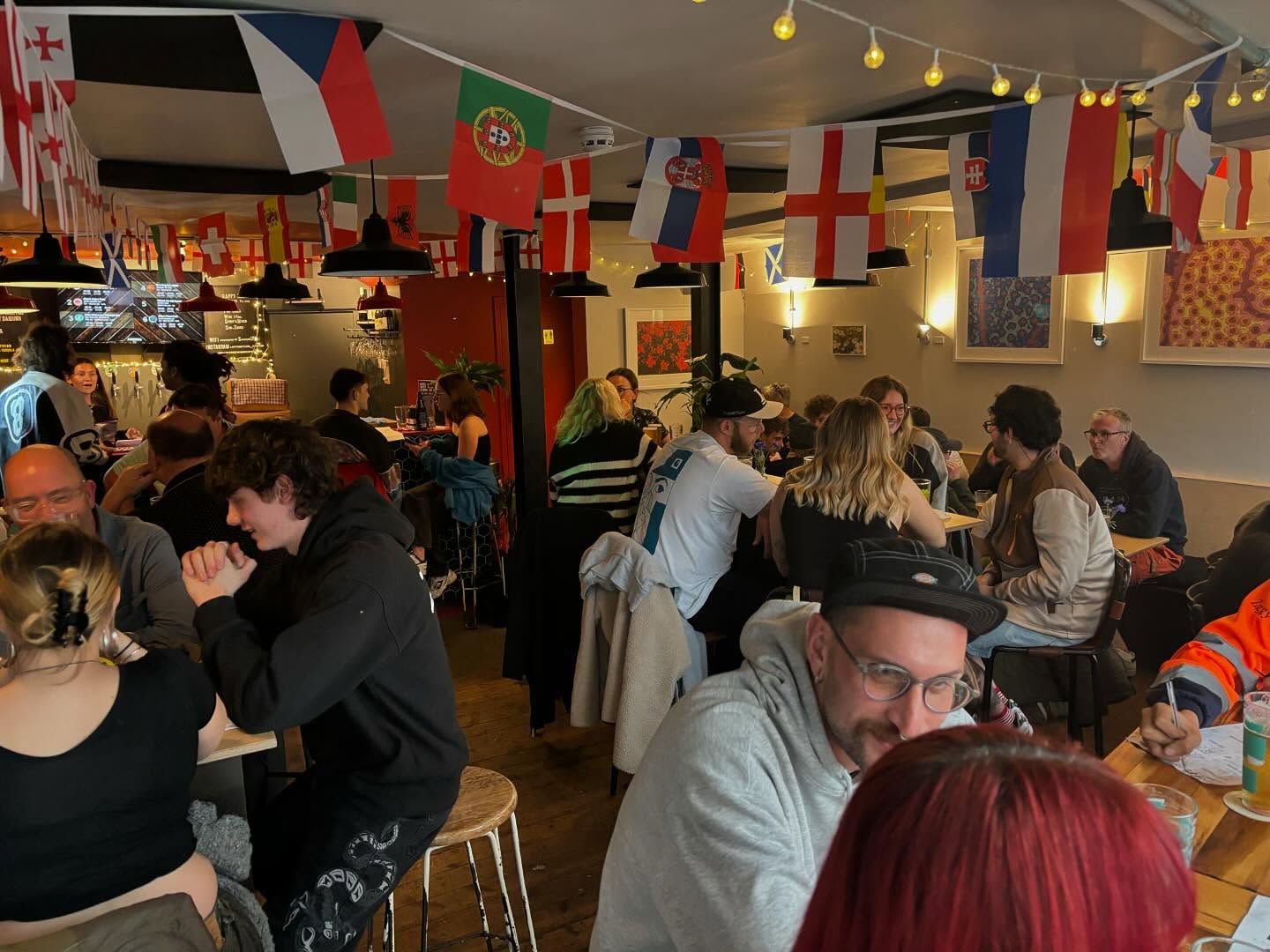
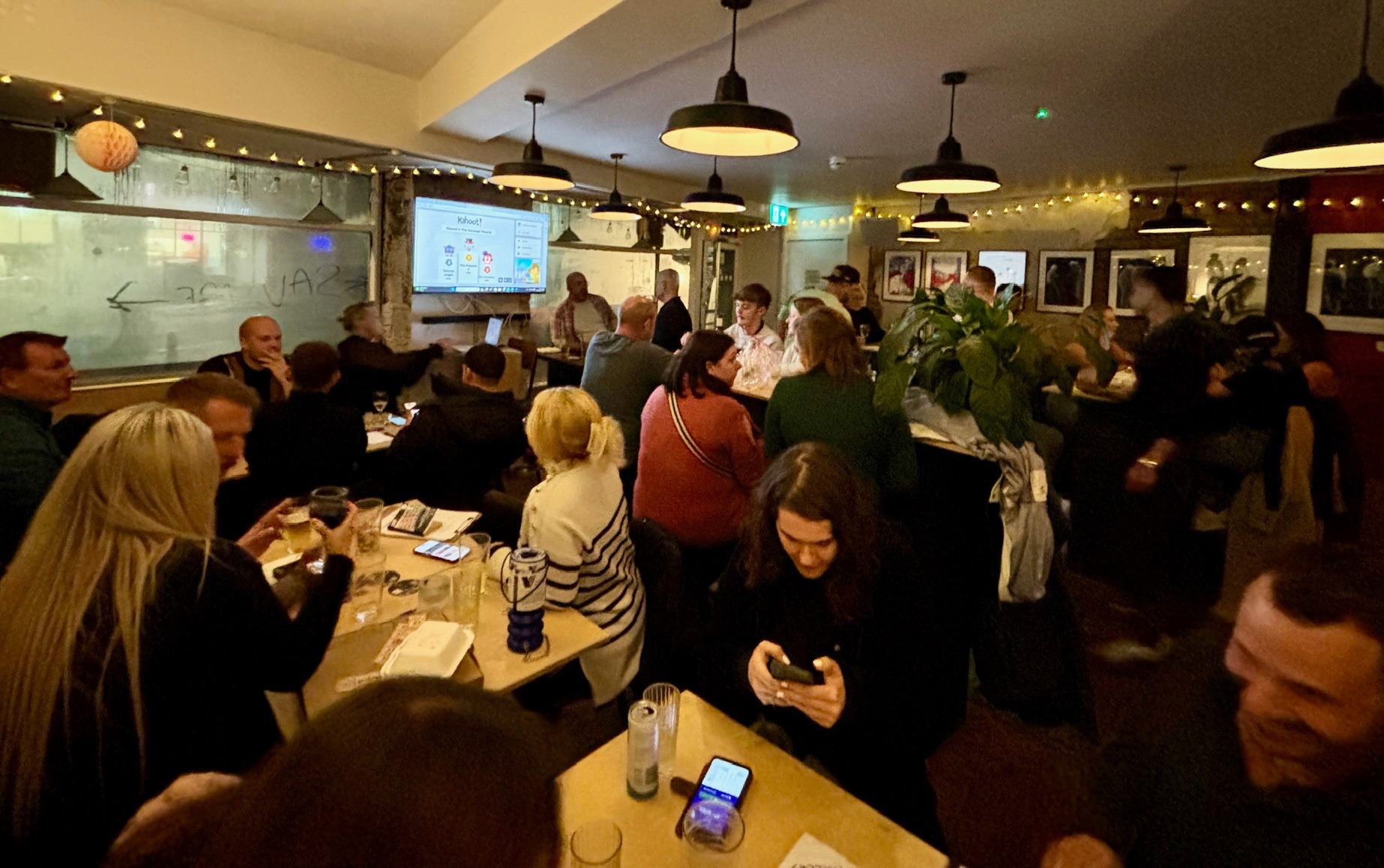
- Community: Lost and Found isn't just a place to drink; it's a hub for the Fiveways community. From our popular quiz nights to our weekend street food collaborations, we’re about bringing people together.
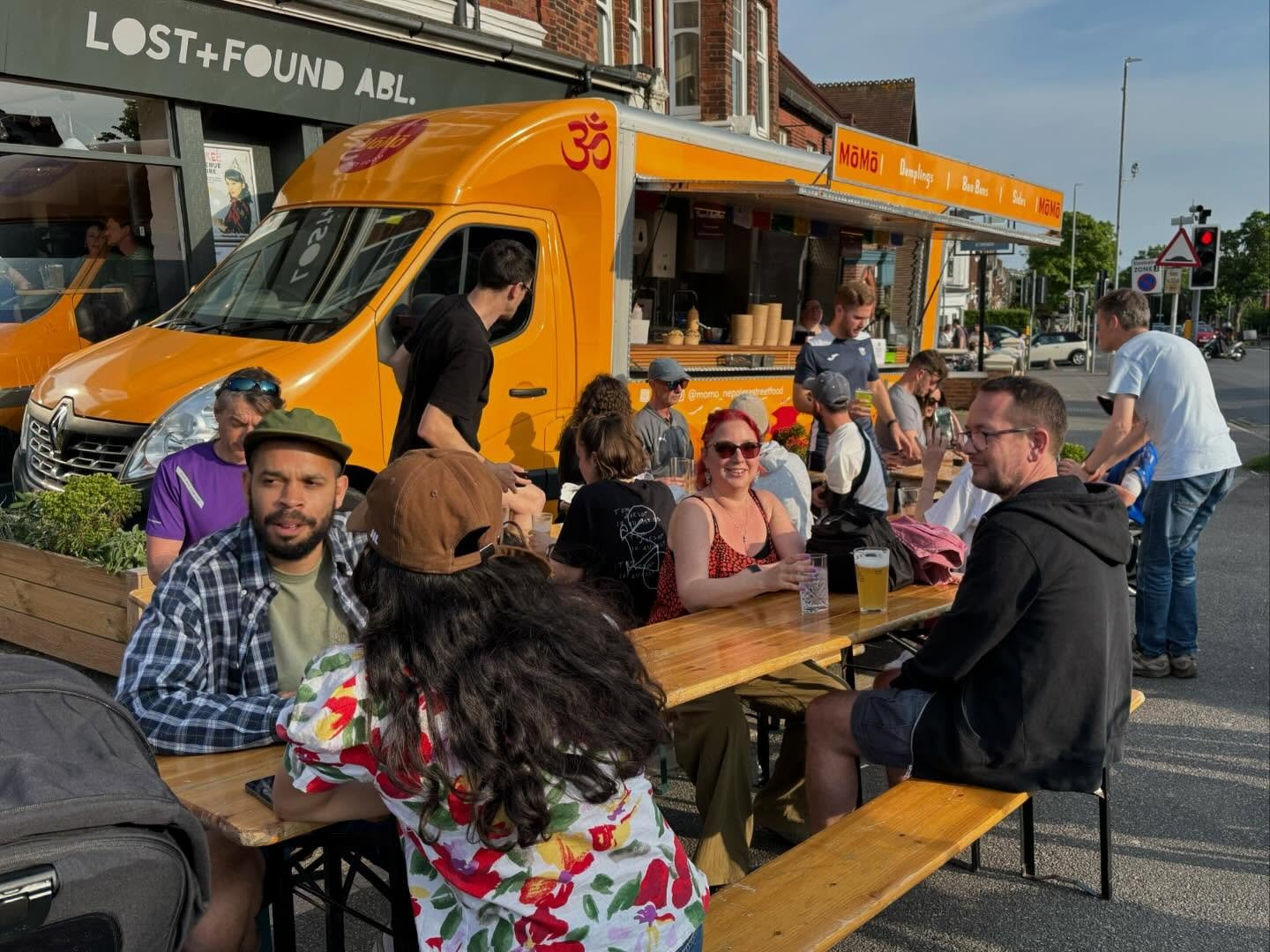
Speaking of food, while we don't have a kitchen ourselves (no ovens here!), we love partnering with the best local food legends. On weekends, you’ll find street food vans like MOMO (dumplings and bao buns) or the incredible BoxxBBQ parked outside, serving up the perfect accompaniment to our brews.
Planning a Celebration?
If you're looking for an independent Brighton venue for your next big event, why not host it somewhere that actually cares about the craft? We offer free venue hire for parties and events for up to 80 people.
Whether it's a birthday, a work do, or just a "we survived the week" gathering, you can celebrate knowing that the drinks in your hand are supporting genuine craftspeople. We even have a curated selection of local wines for those who aren't quite ready to join the beer revolution yet!
The Verdict
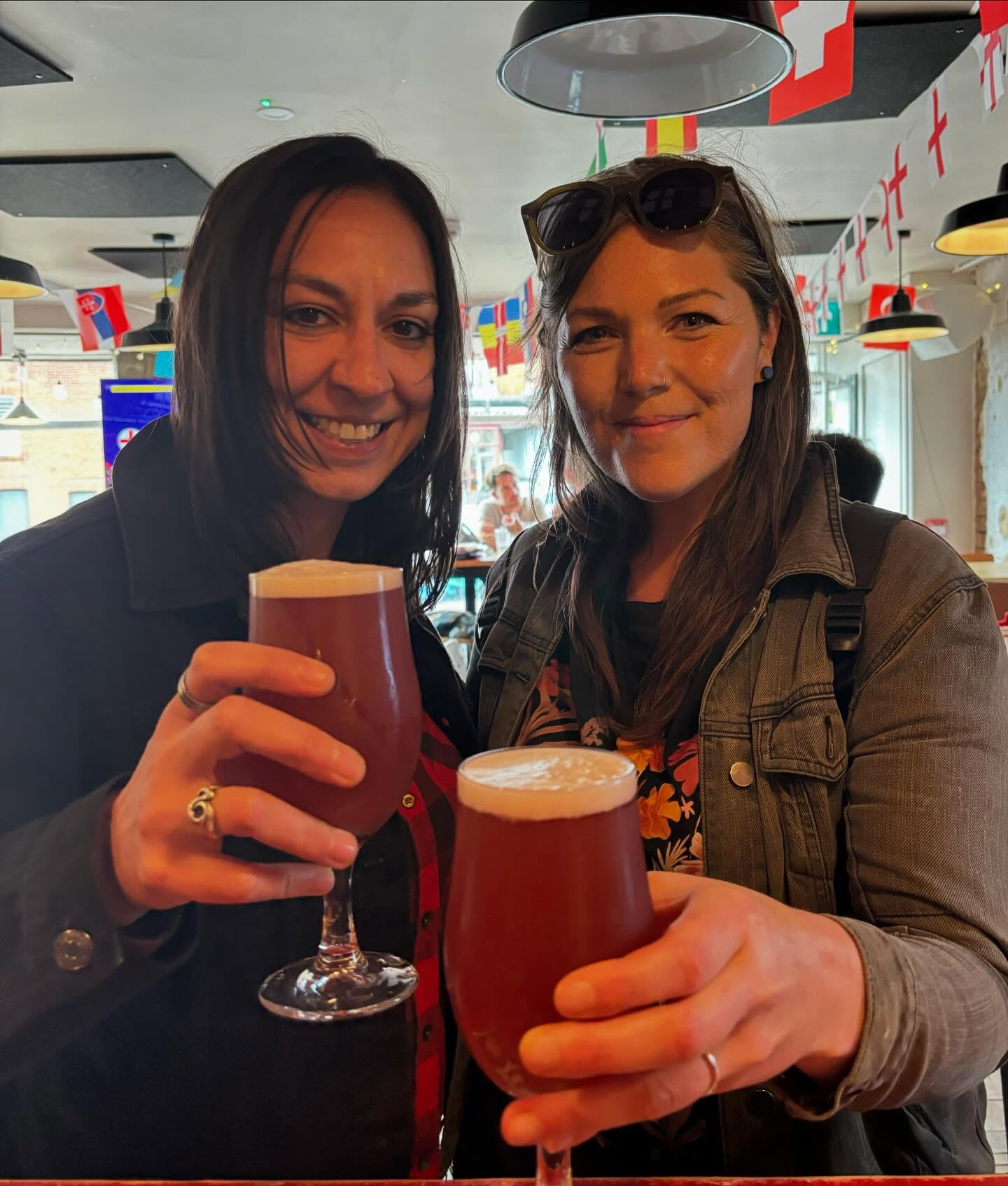
The next time you reach for a "craft" pint, take a second to look beyond the cool artwork. Is it independent? Is it local? Does it represent the passion of a brewer or the profit margin of a CEO?
Come visit us at Lost and Found on Ditchling Road. We’ll show you what real, independent craft beer is all about. Like what you’ve tasted? Want to try some more? Our fridges are always stocked with takeaway cans from the best independent Sussex breweries, ready for your fridge at home.
Support local. Support independent. See you at the bar!