


Bring Your Own Food Venues: A Planner’s Guide
Bring your own food venues are event spaces that let you supply your own catering instead of being locked into the venue’s kitchen. You hire the caterer you want, order from your favorite restaurant, or set up a food truck, and the venue handles everything else. Two terms you’ll see constantly in this space: BYOC (Bring Your Own Caterer) and BYOB (Bring Your Own Alcohol). BYOC means you select any licensed professional caterer rather than using the venue’s in-house option. BYOB means you supply the beverages, though most venues require a TIPS-certified bartender to actually serve them.
The core benefits are real and immediate:
- Full menu control — you design the food experience around your guests, not a preset package
- Cost savings — you skip the venue’s markup on ingredients and kitchen labor
- Customization — food trucks, pop-ups, multi-restaurant delivery, or a full catered spread
- Dietary flexibility — you can accommodate every allergy or preference in your group
- Budget reallocation — money saved on food goes toward flowers, photography, or the bar
Most BYO locations still require food safety compliance, proof of caterer insurance, and licensed bartenders for alcohol service. Understanding those rules before you sign anything saves a lot of headaches.
What types of U.S. venues commonly allow bringing your own food?
Not every venue category handles BYO the same way. Some offer full flexibility; others allow outside catering but control the bar completely.
Event halls and community centers
Fire halls, community centers, and multipurpose event halls are among the most permissive BYO food locations in the country. Lancaster, Pennsylvania’s community buildings, for example, openly welcome outside caterers and outside food for birthdays, showers, and corporate gatherings. These spaces typically offer tables, chairs, and basic kitchen access, but you bring everything else.
Breweries and taprooms
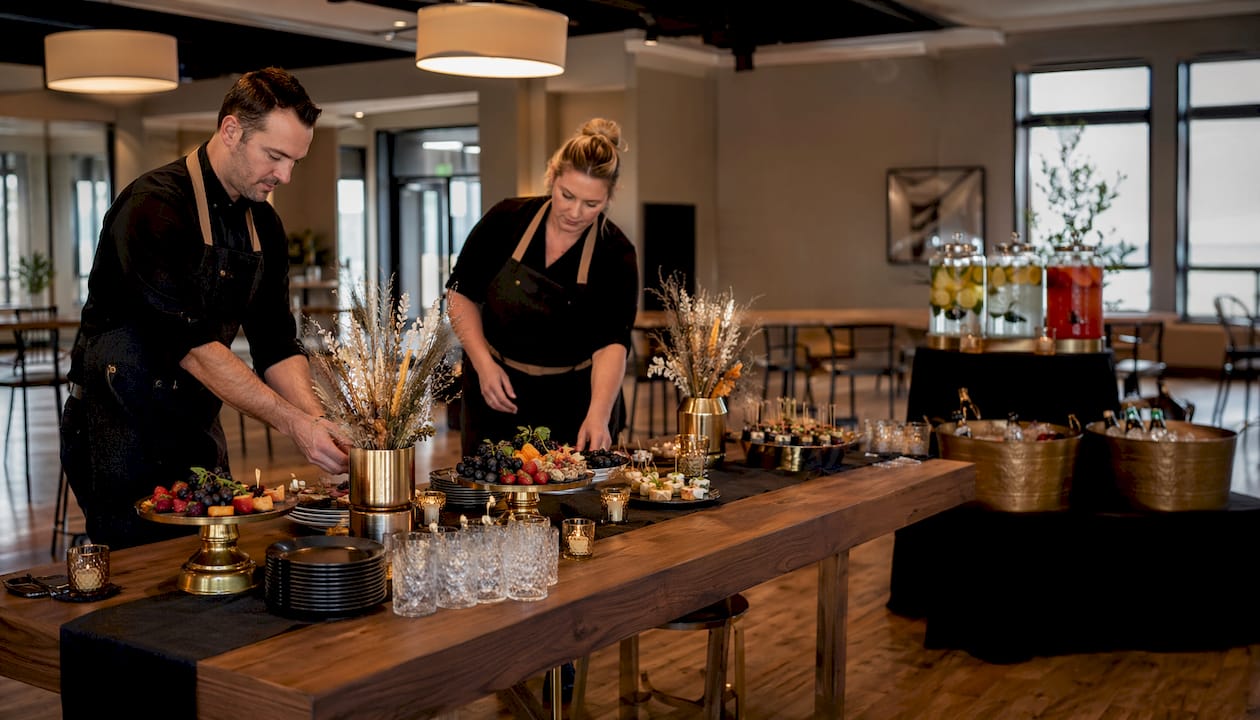
Craft beer taprooms have quietly become one of the best venue categories for BYO food policies. They focus on the drink experience and genuinely prefer that you handle food your own way. Many offer a prep area or at minimum a flat surface for catering setup, and they handle all alcohol service through their own licensed staff. This split model works cleanly: the venue owns the bar, you own the menu.
Warehouses and industrial spaces
Warehouse-style venues tend to have the fewest restrictions on food service. Their open floor plans accommodate food truck setups, buffet stations, and full catering rigs without the logistical constraints of a traditional restaurant kitchen. The tradeoff is that dedicated prep kitchens and refrigeration vary widely, so always ask before assuming.
Outdoor and ranch venues
Colorado alone has dozens of ranch and outdoor venues with full BYOC and BYOB policies, from Arapaho Valley Ranch to Beaver Ranch Park. These spaces often require you to bring in everything, which gives you maximum control but demands more logistical planning. Food trucks work especially well here because they are self-contained.
Lofts and gallery spaces
New York City’s independent event lofts and gallery spaces frequently allow outside catering. These venues prioritize the aesthetic experience and leave food logistics to the host. Expect to coordinate your own setup, breakdown, and any rental equipment.
How to find and choose the right venue for your event
Start with the food policy, not the photos. A venue can look perfect online and still lock you into a catering contract that doubles your budget.
Key questions to ask every venue:
- Does your BYOC policy allow any licensed caterer, or only vendors from a preferred list?
- Is there a fee for using an outside caterer not on your approved list?
- What kitchen infrastructure is available: prep space, refrigeration, warming equipment?
- Do you require licensed bartenders for all alcohol service, including beer and wine?
- What are your cleaning and damage deposit requirements for catering setups?
- Does your insurance require the caterer to carry their own liability coverage?
Venues that charge extra fees for going outside their preferred vendor list are common, and those fees can quietly erase the savings you expected. Always get the full cost breakdown in writing before committing. When reviewing hidden booking costs, the preferred-vendor surcharge is one of the most frequently overlooked line items.
Pro Tip: Ask the venue whether food trucks can access the loading area and whether there is a dedicated power hookup. A truck that can’t plug in or park close enough to the entrance creates a service nightmare for 80-plus guests.
Read reviews specifically about the BYO experience, not just the venue’s general atmosphere. Couples who have navigated the catering logistics at a specific space will tell you things the venue coordinator won’t.
1. Pour Choice Taphouse (Orlando, Florida)
Pour Choice Taphouse operates one of the most genuinely open BYO policies in the country. You can bring homemade food, hire any caterer, order delivery from any restaurant, or set up a food pop-up with zero restrictions on cuisine or service style. The venue handles 50 rotating self-pour taps of craft beer, hard seltzer, cider, and cocktails, plus a full liquor bar with bartenders. You handle everything on the plate. The venue accommodates groups with indoor space and additional outdoor areas, making it practical for mid-size corporate events, birthday parties, and holiday gatherings.
2. The Barley Room (Wisconsin)
The Barley Room offers spacious accommodations suitable for large events and offers a semi-prep kitchen so your catering team can work on-site. You bring your own food and beverages, choose your own caterer, and design the menu entirely around your event. The venue’s flexible floor plan supports buffet setups, plated dinners, and casual spreads equally well. It’s a strong option for couples who want full catering control without sacrificing a polished setting.
3. Colorado ranch and outdoor venues
Colorado has one of the densest concentrations of BYOC and BYOB wedding venues in the United States. Venues like Arapaho Valley Ranch, Beaver Ranch Park, Crestview Ranch, and Evergreen Lake House all permit couples to select any licensed caterer and supply their own alcohol. Some, like Blackstone Rivers Ranch, allow BYOC but require in-house bar service. A handful, like The Stone House, require a city alcohol permit for anything beyond beer. The variation is wide, so confirming Colorado venue policies directly before booking is non-negotiable.
4. Community halls and fire halls (Lancaster, Pennsylvania)
Lancaster County’s community buildings and fire halls represent the most accessible category of BYO food locations for budget-conscious planners. The Cellar at Houston Run offers spacious facilities suitable for events with many guests, provides round and long tables, and welcomes outside caterers from a recommended list. The Celtic Center of Lancaster and The Liberty Venue, a converted 1800s tobacco warehouse, offer similar flexibility. These spaces rarely impose preferred-vendor fees, which makes them particularly useful for events with tight per-person budgets.
5. Independent lofts and event spaces (New York City)
NYC’s independent event market includes lofts, rooftop spaces, and gallery venues that allow outside catering and BYO alcohol. Brooklyn lofts and East Village event spaces in particular tend to attract planners who want creative food setups without venue-imposed menus. The city’s density means food truck access can be complicated, so delivery and drop-off catering often works better here than mobile kitchen setups.
6. Wineries with BYO food policies
Many American wineries allow guests to bring their own food while the venue provides wine service. This model is common across California, Virginia, and the Pacific Northwest. The winery controls the beverage experience entirely; you bring a spread that complements it. Charcuterie boards, party finger food stations, and grazing tables work particularly well in this format because they require no heating equipment and set up quickly.
7. Taprooms and craft beer venues (general)
Beyond specific named venues, the broader taproom category across the U.S. consistently offers BYO food flexibility. These spaces are built around the drink program and have no financial incentive to control your food choices. Many actively encourage food trucks to park outside or set up in adjacent spaces. If you’re planning an event where the drink experience is the centerpiece, a taproom gives you the best of both: a curated bar and a completely open food policy.
What the research says about BYO venue cost savings and restrictions
Avoiding in-house catering markups is the single biggest financial argument for BYO venues. When a venue handles food internally, you pay for their kitchen staff, ingredient margins, and profit on every plate. Sourcing your own caterer cuts those layers entirely and lets you put that money toward higher-quality ingredients, a better caterer, or other event priorities.
Event managers consistently note that BYO policies eliminate mandatory catering packages, giving clients real budget control rather than the illusion of it. For corporate events with strict per-person spending limits, this flexibility is especially valuable. You can order from a well-reviewed local restaurant, set up a taco bar from a neighborhood spot, or hire a caterer who specializes in your cuisine without hitting a venue-imposed minimum.
The biggest misconception about BYO is that hosts have total freedom. Venues require licensed professionals to comply with legal and insurance standards, so understanding these rules early avoids surprises.
The restrictions are real and worth knowing before you fall in love with a space:
- Most BYOC venues prohibit potluck or homemade dishes prepared by non-professionals to limit health liability
- Some venues charge extra if you use a caterer outside their preferred vendor list
- BYOB venues almost universally require TIPS-certified bartenders for all alcohol service
- Many BYOB venues restrict alcohol to beer and wine only, or prohibit shots and straight pours
- Caterers typically must carry their own liability insurance, separate from the venue’s policy
Food trucks simplify a lot of these logistics because they are self-contained. The truck brings its own prep equipment, handles food safety internally, and typically carries the insurance documentation venues require. For outdoor or warehouse venues without dedicated kitchen infrastructure, a food truck is often the cleanest solution available.
Cleaning and damage deposits vary widely. Some venues charge a flat fee; others hold a deposit against any catering-related damage to the space. Always clarify whether the deposit is refundable and what conditions trigger a deduction.
Thinking about your own event space?
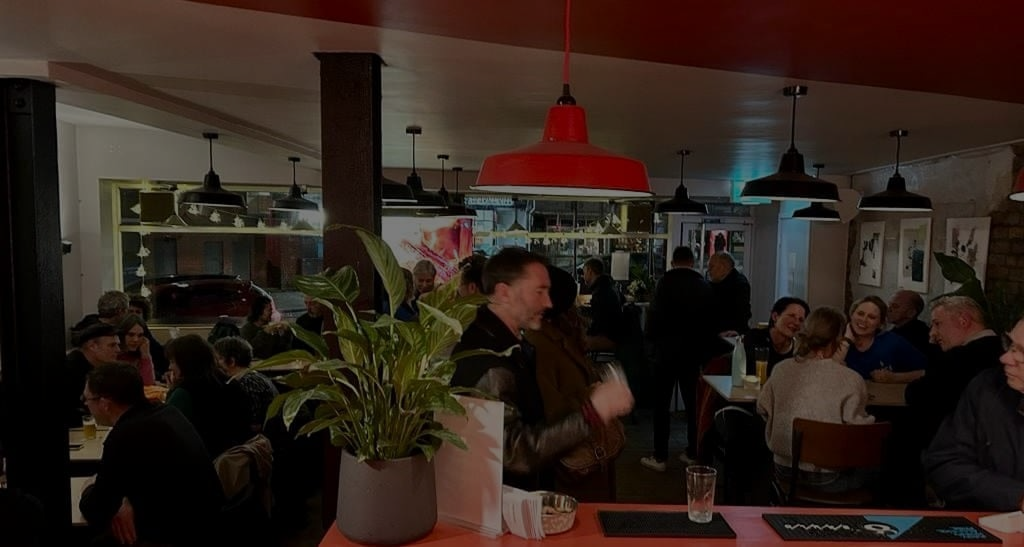
If you’re planning an event and want a venue that handles the drink experience properly while giving you freedom on food, Lostandfoundbrighton’s venue hire in Brighton operates on exactly that model. The taproom curates a rotating selection of local and UK craft beers, wines, and other drinks, all available to browse on the beer and food menu before you book. You bring the food vision; Lost And Found brings the bar.
Key Takeaways
BYO venues save real money by cutting venue catering markups, but they require licensed caterers, certified bartenders, and clear coordination with the space on infrastructure and deposits.
| Point | Details |
|---|---|
| BYOC vs. BYOB | BYOC means you choose the caterer; BYOB means you supply alcohol, usually requiring a TIPS-certified bartender. |
| Biggest cost advantage | Skipping in-house catering removes kitchen staff and ingredient markups from your bill entirely. |
| Most common restriction | Most venues prohibit homemade or potluck food and require licensed professional caterers for liability reasons. |
| Infrastructure check | Always confirm prep kitchen access, refrigeration, and food truck parking before signing a venue contract. |
| Alcohol rules vary | Some BYOB venues limit service to beer and wine; others allow spirits only in mixed drinks, never straight pours. |
Recommended
- 5 Catchy Party Venue Brighton Ideas for Your Next Big Birthday (Without The Booking Fee) – Lost And Found Craft Beer Taproom Brighton
- How to Choose the Best Party Venue Brighton (Without Getting Hit by Hidden Booking Fees) – Lost And Found Craft Beer Taproom Brighton
- Create Unforgettable Birthdays with these 5 Free Venue Hire Brighton Insider Tips – Lost And Found Craft Beer Taproom Brighton
- Party Venue Brighton: 5 Steps How to Host an Unforgettable Event Without Breaking the Bank – Lost And Found Craft Beer Taproom Brighton