


NEIPA meaning: what makes a New England IPA hazy and juicy
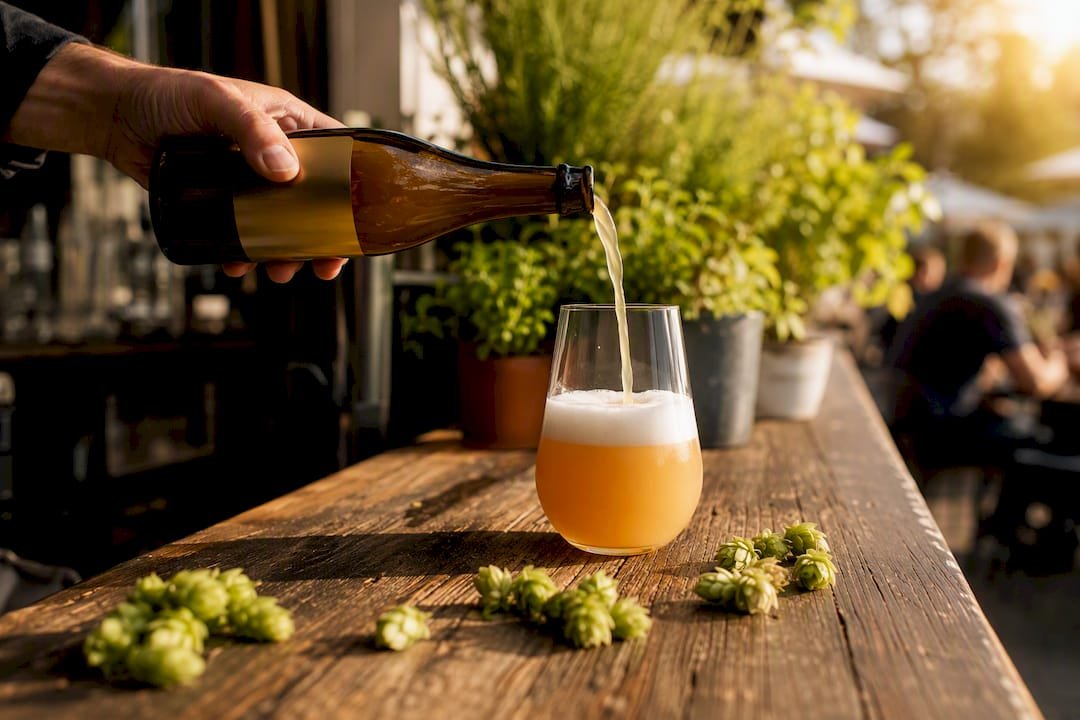
NEIPA stands for New England India Pale Ale, a hazy, juicy IPA style built around tropical hop aromas, a soft mouthfeel and restrained bitterness. You’ll also see it called a hazy IPA or juicy IPA, and the terms get used more or less interchangeably, since “NEIPA” points to the style’s New England roots while “hazy IPA” is the wider, less regional label most drinkers reach for now.
Beyond the murky look, a handful of traits give the style away:
- Opaque, glowing appearance rather than clear or golden
- Tropical, stone-fruit hop character with almost no bitter bite
- Full, almost creamy mouthfeel
Typical NEIPA falls between 6.0% and 9.0% ABV, with IBUs roughly 25 to 60 — the BJCP catalogues it formally under category 21B, Specialty IPA: New England IPA.
Key Takeaways
NEIPA success depends on late hopping, careful yeast and adjunct choices, and drinking the beer fresh rather than letting it sit.
| Point | Details |
|---|---|
| Definition | NEIPA means New England India Pale Ale, a hazy, low-bitterness IPA also called hazy or juicy IPA. |
| ABV and IBU range | Typical NEIPA runs 6.0% to 9.0% ABV with IBUs roughly 25 to 60. |
| Brewing drivers | Late hopping, dry-hop biotransformation, fruity yeast strains and oats or wheat create the haze and body. |
| Serving matters | Use a tulip glass at 8 to 10°C to capture aroma without muting hop character. |
| Freshness is critical | Drink within weeks of canning and keep refrigerated, since hop aroma fades fast. |
Table of Contents
- What does NEIPA taste and look like? Key sensory traits
- How is NEIPA made? Brewing techniques behind the haze
- NEIPA vs traditional IPA: what actually changes in the glass
- How should you serve and store a NEIPA?
- The gap between NEIPA theory and what’s actually in the glass
- Sources
What does NEIPA taste and look like? Key sensory traits
Pour one and the first thing you notice is the haze. It’s not a flaw. Oats and wheat in the malt bill, plus proteins reacting with hops and yeast, create that glowing, almost juice-like opacity rather than a clear or golden pint. CraftBeer’s style notes describe the effect as hop aroma and flavour without the bracing bitterness drinkers expect from older IPA styles.
Aroma is where NEIPA earns its “juicy” nickname. Late hop additions push out mango, pineapple, peach and citrus pith rather than the pine and resin you’d get from an IPA hopped earlier in the boil. Mouthfeel follows the same logic: oats and wheat add body and a rounded, almost pillowy texture that coats the palate rather than cutting through it.
Then there’s bitterness, or rather the lack of it, which trips up a lot of drinkers new to the style:
- Measured IBUs can sit in a similar range to some West Coast IPAs
- Perceived bitterness is far lower, because sugars and protein haze soften how the tongue reads hop acids
- A NEIPA at 50 IBU can taste gentler than a clear IPA at 40
That gap between the number on paper and the flavour in the glass is the single most misunderstood part of the style. NEIPA’s ABV typically runs 6.0% to 9.0%, with IBU roughly 25 to 60, a wide enough band that two NEIPAs poured side by side can taste worlds apart depending on hop variety and dry-hop timing.
How is NEIPA made? Brewing techniques behind the haze
Haze and juiciness aren’t accidents. They’re the product of deliberate choices at several stages of the brew:
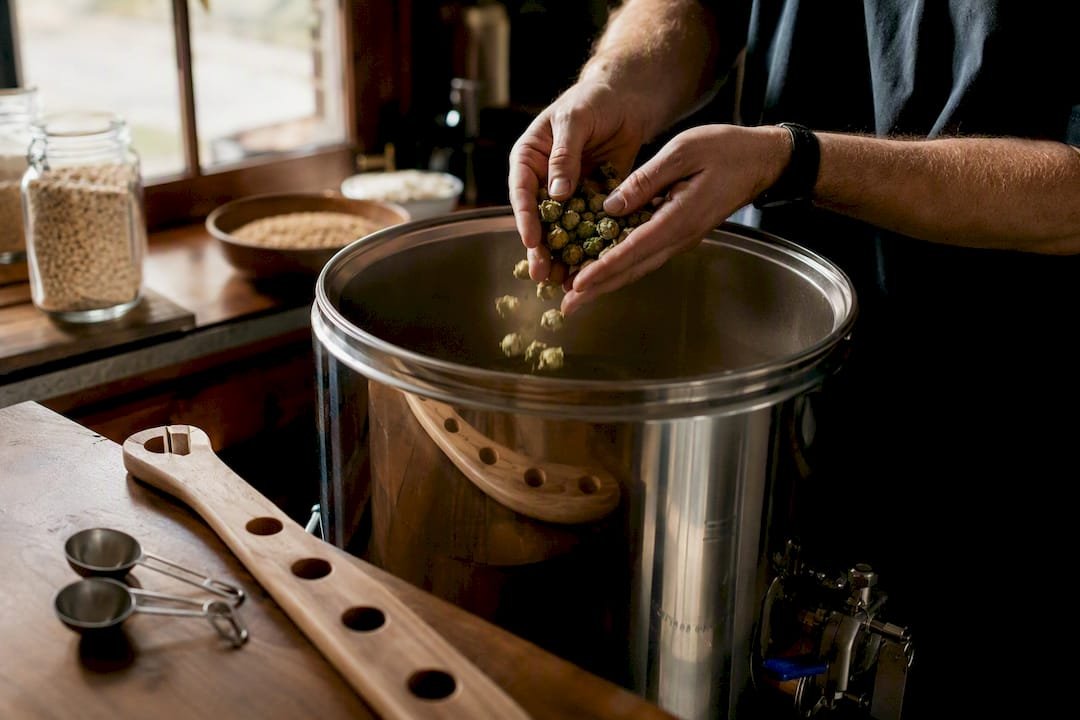
- Late and heavy hopping. Big additions go in late in the boil or during active fermentation, a technique called dry-hopping for biotransformation, where living yeast convert hop compounds into new, fruitier aroma molecules rather than bittering ones.
- Yeast selection. Brewers pick strains prized for fruity ester production and for staying in suspension, which helps hold the haze rather than letting it drop clear.
- Adjuncts. Oats and wheat contribute proteins and polyphenols that bind with hop material, thickening mouthfeel and locking in cloudiness.
- Water chemistry. A higher chloride-to-sulphate ratio softens the beer, rounding out hop character instead of sharpening it the way sulphate-forward water does in a bitter West Coast IPA.
That last point separates NEIPA from a clear, crisp IPA more reliably than most drinkers realise: sulphate accentuates bitterness and dryness, chloride pushes toward roundness and sweetness perception.
Pro Tip: If you’re homebrewing, resist the urge to filter or cold-crash aggressively. Authentic NEIPA haze comes from proteins and hop/yeast interaction, not from skipping filtration as a shortcut. Force clarity and you strip out the texture that makes the style work.
NEIPA vs traditional IPA: what actually changes in the glass
Put a NEIPA next to a West Coast or classic American IPA and the differences show up fast:
- Clarity: NEIPA is opaque and glowing; traditional IPA is clear, often golden to amber.
- Bitterness: NEIPA restrains it deliberately; West Coast IPA leans into a firm, lingering bitter finish.
- Hop character: NEIPA leans tropical, mango and citrus pith; traditional IPA leans pine, resin and grapefruit rind.
- Body and finish: NEIPA finishes soft and lingering; traditional IPA finishes drier and snappier.
The same hop variety can read completely differently depending on when and how it’s added. Citra dry-hopped late in a NEIPA gives mango and passionfruit; the same hop added early in the boil for a bittering IPA gives more citrus zest and less fruit sweetness. Process, not just ingredient choice, decides the outcome. Our IPA styles explained guide breaks down the wider IPA family if you want the full picture beyond NEIPA.
When reading a label or tap list, look for phrases like “dry-hopped”, “biotransformation”, “oats” or “juicy” — these are reliable tells that you’re holding a NEIPA rather than a clearer, more bitter cousin.
How should you serve and store a NEIPA?
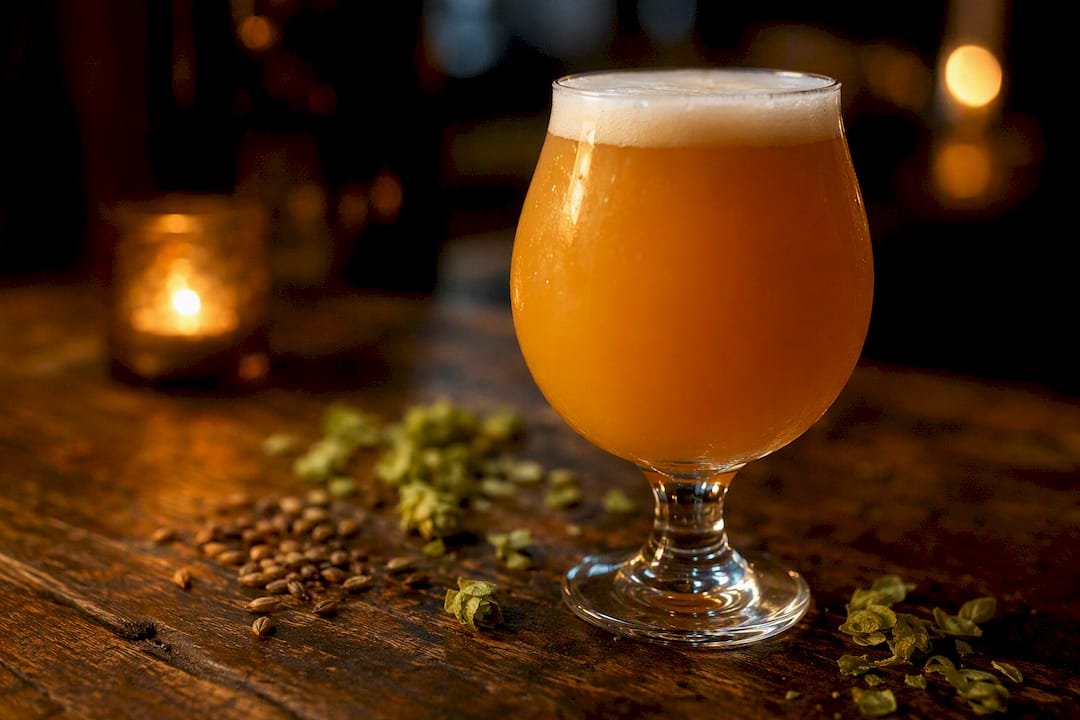
Serve NEIPA in a tulip or rounded glass that traps aroma near the nose rather than a straight pint glass that lets it escape. Aim for 8 to 10°C, slightly warmer than a lager, cold enough to keep the hop oils from turning flabby but not so cold you mute the tropical notes.
Freshness matters more here than with almost any other beer style. High hop loading and unfiltered composition mean hop oils oxidise and volatilise quickly, so a can that’s brilliant on release can taste dull and vegetal within a couple of months.
- Check the canning date, not just the best-before date, where it’s printed
- Drink within a few weeks of canning for peak aroma
- Keep refrigerated throughout, since warm storage speeds staling
Food-wise, the low bitterness and tropical fruit profile pair well with spicy Asian dishes, grilled fish or citrus-dressed salads, echoing the sensory logic behind good food pairing more broadly.
Pro Tip: Buy NEIPAs in small quantities and drink them soon after purchase rather than stockpiling. This is not a style built for the cellar.
Where did NEIPA come from?
The style rose to prominence in the 2010s in Vermont and Massachusetts, with breweries like The Alchemist and Tree House credited as early pioneers of the hazy, juicy approach. As the trend spread globally, “hazy IPA” became the more common label outside New England, partly because many original brewers never embraced the regional name themselves.
What do people get wrong about NEIPA?
Not all haze is equal. Authentic haze comes from proteins in oats and wheat interacting with hop and yeast compounds during fermentation, giving a bright, almost glowing cloudiness.
- Thick, muddy or chunky sediment usually signals poor handling, not good brewing
- Milkshake IPAs with lactose and fruit purée are a different, sweeter offshoot, not a classic NEIPA
- The BJCP explicitly notes that heavy fruit or lactose additions push a beer into other categories entirely
How does Lost And Found back this up?
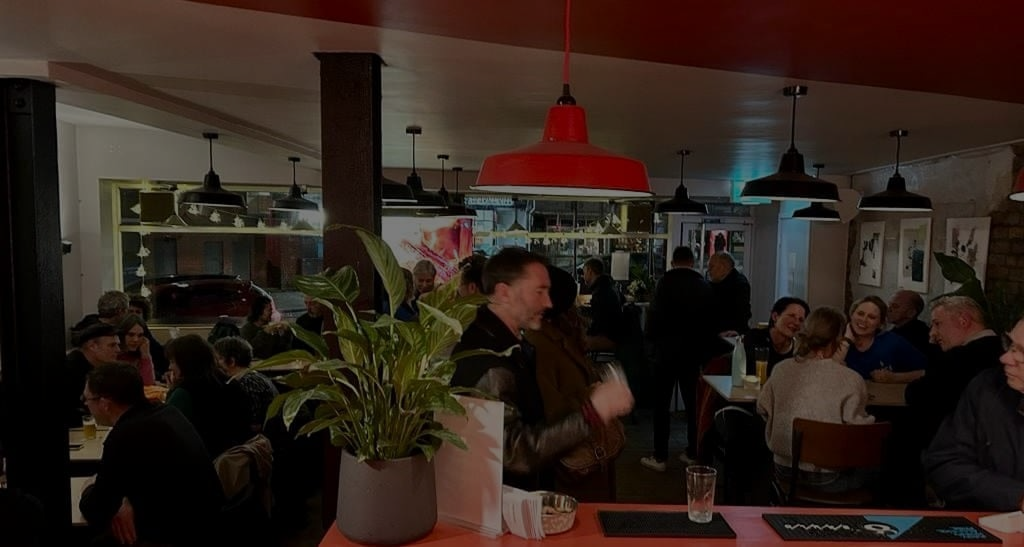
Lost And Found Taproom in Brighton’s Fiveways curates rotating NEIPAs and hazy IPAs from independent breweries across the UK, alongside educational content built from serving them night after night:
- Our IPA styles explained guide covers the wider category in depth
- Our beer tasting at home guide helps you practise spotting these traits yourself
- Our food and beer menus are available online, so you can check what’s pouring before you visit
The gap between NEIPA theory and what’s actually in the glass
Most explainers stop at “hazy and fruity”, which tells you almost nothing about why a given can tastes flat or brilliant. The real story is timing and technique: when hops go in, which yeast strain handles fermentation, how much oat protein ends up in suspension. Get those wrong and you get a murky, bitter mess dressed up in NEIPA marketing.
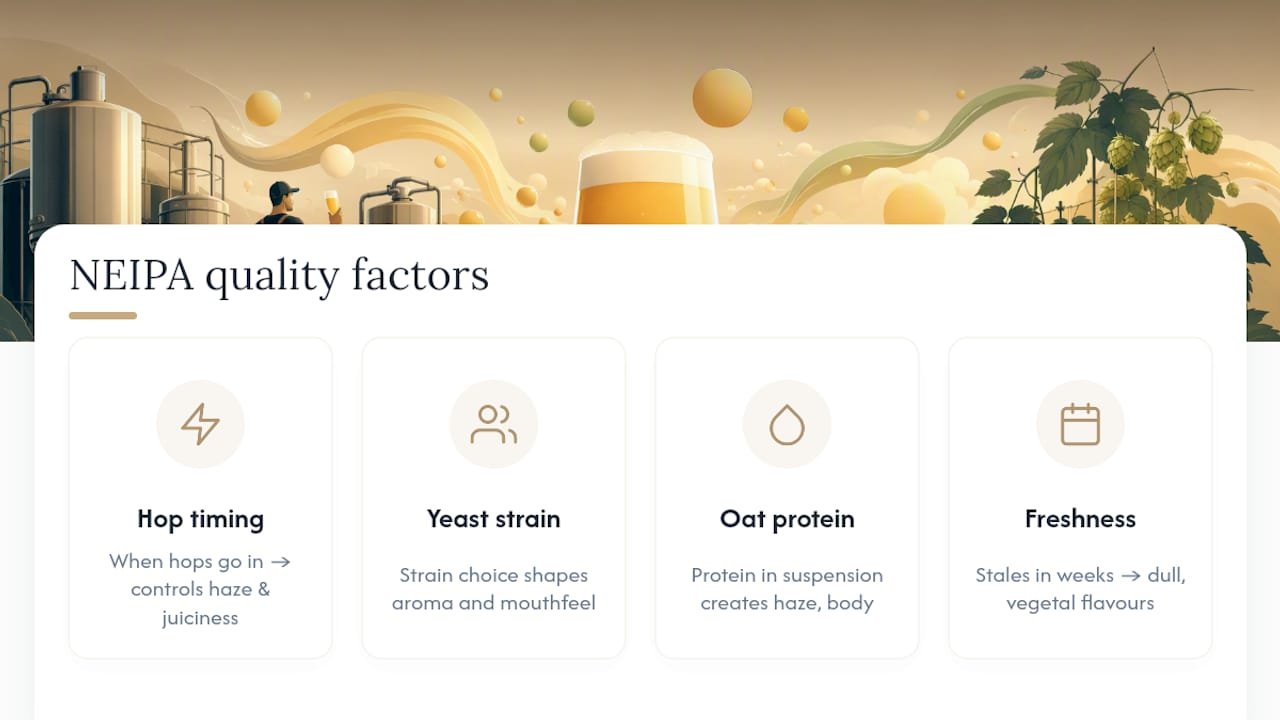
The conventional advice on this topic focuses too heavily on appearance, as though haze alone certifies the style. It doesn’t. A properly made NEIPA is soft, aromatic and drinkable well before you notice how it looks in the glass. Freshness matters just as much as brewing technique, arguably more, since even a textbook NEIPA turns dull and vegetal within weeks if it’s mishandled after canning.
If you take one thing from this: prioritise the can date over the label art. A well-brewed NEIPA past its window tastes worse than a decent one drunk fresh, every time.
Sources
- Hazy vs New England IPA explained — VinePair
- 21B. Specialty IPA: New England IPA — BJCP
- New England IPA — CraftBeer
Recommended
- IPA styles explained: your complete guide to every type
- Are Hazy IPAs Dead? Why Brighton is Rediscovering the Joy of Proper Independent Lager – Lost And Found Craft Beer Taproom Brighton
- Best UK IPAs to buy or try right now: 2026 shortlist
- US Trends, Brighton Vibes: 5 New Styles That Will Change the Way You Drink Craft Beer in Brighton – Lost And Found Craft Beer Taproom Brighton