

Low ABV beer: where to buy and what to expect in the UK
Yes, genuine low ABV beers in the 2–3% range exist in the UK, though they are considerably less common than the 0.0–0.5% alcohol-free options that now dominate supermarket shelves. Most of what you will find labelled “low alcohol” in a supermarket sits at 1.2% ABV or below; true 2–3% beers occupy a middle ground that is often seasonal, craft-led, or draught-only. Drinkaware research found that 45% of UK drinkers consumed a low alcohol or alcohol-free drink in the past 12 months (2025), up from 22% in 2021, yet most of that volume sits in the alcohol-free band rather than the 2–3% range.
What to expect at a glance:
- Flavour: lighter body and less alcohol warmth than a standard pint, but modern brewing techniques preserve hop aroma well
- Availability: 0.0–0.5% options are year-round in most supermarkets; 2–3% beers are more often found in independent taprooms, specialist bottle shops, and online retailers
- Price: broadly similar to craft beer, typically priced comparably to craft beer per can or bottle; draught pours vary by venue
Table of Contents
- What does ‘low ABV’ actually mean on a UK label?
- UK low ABV beers worth trying, grouped by style
- How does lower ABV change the way a beer tastes?
- Where can you buy or try low ABV beers in the UK?
- How to pick a low ABV beer that will actually taste good
- Try before you buy at Lost And Found Taproom
- Genuine low ABV beers in the 2–3% range exist in the UK but remain far less common than 0.0–0.5% alcohol-free options, and finding the best ones requires knowing where to look and what to check on the label.
- Why low ABV beer deserves more credit than it gets
- Lost And Found Taproom: taste low ABV craft beer in Brighton
- Useful sources and further reading
What does ‘low ABV’ actually mean on a UK label?
The terminology on packaging can be genuinely confusing, so it is worth knowing exactly what each descriptor means before you shop.
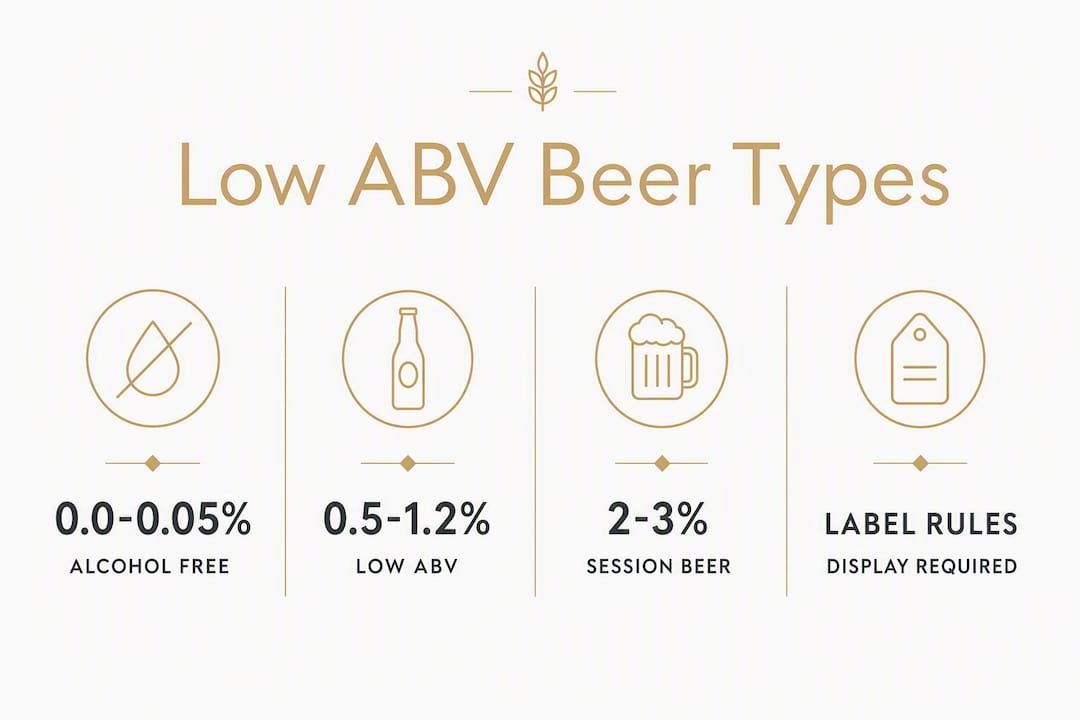
UK government guidance sets the current thresholds for England as follows:
| Descriptor | ABV threshold | Label obligation |
|---|---|---|
| Alcohol free | Up to 0.05% ABV | No ABV display required |
| De-alcoholised | Up to 0.5% ABV | Voluntary descriptor |
| Low alcohol | Up to 1.2% ABV | ABV must be displayed as a % |
| Alcoholic (standard) | Above 1.2% ABV | ABV must be displayed as a % |
A 2–3% beer sits firmly in the “alcoholic product” category. It must display its ABV on the label, and it is subject to standard alcohol duty. This is worth remembering when you see a beer marketed loosely as “low alcohol” in a craft context: the brewer may mean low relative to a 5% IPA, not low by the regulatory definition.
The guidance is also in flux. The government is consulting on raising the alcohol-free threshold from 0.05% to 0.5% ABV to align with common European practice, which would affect how imported beers are labelled in the UK. Worth keeping an eye on if you buy from European producers.
One more practical point: products at 1.2% ABV or below must display nutritional information, making it easier to compare calories. Most 2–3% beers are not legally required to show a nutrition panel, though many craft producers do so voluntarily.
Pro Tip: Look for the words “fully brewed” rather than “de-alcoholised” on the label. A fully brewed low ABV beer is fermented to its final strength without secondary alcohol removal; de-alcoholised beers undergo a stripping process that can reduce volatile hop oils and mouthfeel. The difference shows up clearly in the glass.
UK low ABV beers worth trying, grouped by style
The beers below are real UK examples you can seek out in bottle shops, online, or ask for at a taproom. Availability varies, so treat this as a starting point rather than a guaranteed stock list.
Lager
Lucky Saint (0.5% ABV) is the name most bartenders reach for when someone asks for a low alcohol lager. Brewed in Bavaria to a Bavarian Purity Law recipe, it has genuine lager character: clean, biscuity, with a dry finish. Widely available in supermarkets and on draught in independent venues year-round.
St Peter’s Without Gold (0.0% ABV) takes a different approach, using a proprietary yeast strain to produce a golden ale that sits closer to a session bitter in character than a lager, with light citrus and a clean finish. Available in bottles from specialist retailers and online.
Pale ale and session bitter
BrewDog Nanny State (0.5% ABV) is one of the most recognisable names in UK low alcohol craft beer. It uses a blend of five hop varieties to deliver a genuinely hoppy nose and a dry, bitter finish that punches well above its ABV. Year-round, widely stocked in supermarkets and off-licences.
For something closer to a traditional session bitter in the 2–3% range, look to regional cask ales. Many UK regional breweries produce sub-3% bitters as their “session” offering, though these tend to be cask-conditioned and draught-only rather than packaged.
Golden ale and old ale
Harvey’s low-alcohol Old Ale is a notable example from a Sussex brewery with a long heritage. It sits at around 1% ABV and delivers the malt-forward, slightly toffee character you would expect from the style, without the weight of a full-strength old ale. Seasonal availability; worth asking your local bottle shop or taproom.
Sour and fruit beer
Big Drop Brewing Co. has built its entire range around sub-0.5% ABV beers, and its sour and fruit offerings are among the most technically accomplished in the category. The Paradiso Citra IPA and Galactic Milk Stout are the headline acts, but the sour variants show that low ABV and acidity can work together rather than against each other. Available online and in specialist retailers year-round.
Porter and stout
Big Drop’s Milk Stout (0.5% ABV) regularly picks up awards at the World Beer Awards and IBC, which is a reasonable signal of quality in a category where many producers still struggle with body and roast character at low strength. Cans and bottles; widely available online and in independent bottle shops. For more on how stout and porter differ at low ABV, the stout vs porter guide at Lost And Found Taproom is a useful read.
How does lower ABV change the way a beer tastes?
Lower ABV tends to reduce body and the warming sensation that alcohol provides, but that is not the whole story. Modern craft brewers have developed techniques that preserve hop aroma and mouthfeel even at 0.5–2% ABV, and the results can be genuinely impressive.
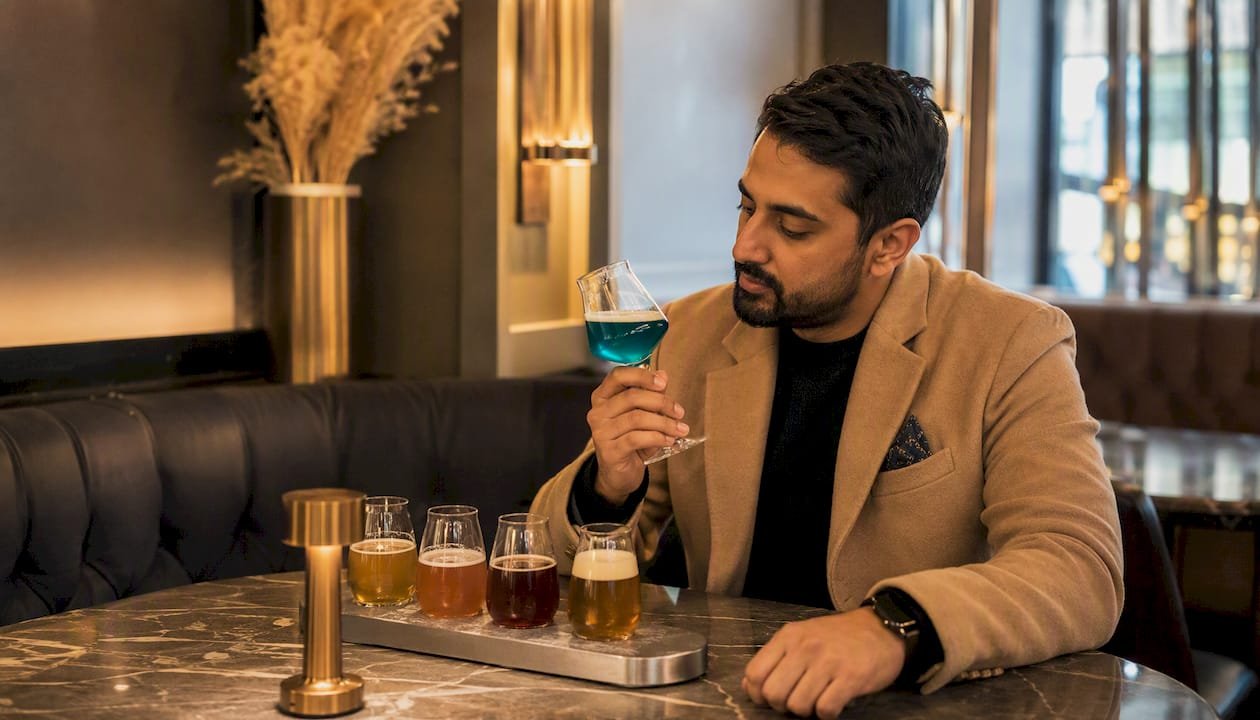
The main sensory changes to expect: lighter body (less viscosity on the palate), brighter and sometimes more prominent hop perception (because alcohol is not competing for attention), altered malt sweetness (often slightly thinner or more watery in less accomplished examples), and occasionally a higher perceived acidity. The absence of alcohol warmth is the most noticeable difference for most drinkers, particularly in styles like stout or old ale where that warmth is part of the expected character.
On the technical side, brewers use several routes to achieve low ABV: selecting yeast strains that produce less ethanol, interrupting fermentation before it completes, or using advanced hop extraction methods to concentrate aroma without adding fermentable sugars. The distinction between “fully brewed” and “de-alcoholised” matters here because secondary removal processes such as reverse osmosis or vacuum distillation can strip volatile hop compounds along with the alcohol, leaving a flatter aroma profile. Fully brewed low ABV beers tend to have more integrated texture as a result.
Serving temperature and glassware affect perception more noticeably at low ABV. A cold, straight-sided pint glass will suppress aroma; a slightly warmer serve in a tulip or nonic glass opens up the hop character considerably. Worth bearing in mind if a low ABV beer disappoints on first pour.
Pro Tip: When tasting a low ABV beer for the first time, smell it before you sip. Hop aroma is often the strongest flavour signal in these beers, and warming the glass briefly in your hands before nosing it will tell you more about the brewer’s technique than the first mouthful will. Take a small sip and hold it for a moment to assess mouthfeel; then compare with a full-strength equivalent if you have one to hand. The step-by-step tasting guide at Lost And Found Taproom walks through this process in detail.
Where can you buy or try low ABV beers in the UK?
The channel you use makes a real difference to what you will find.
National supermarkets stock the most recognisable names year-round: Lucky Saint, BrewDog Nanny State, and Big Drop are reliably available in Tesco, Sainsbury’s, Waitrose, and M&S. The range is improving but still skews heavily towards 0.0–0.5% options rather than the 2–3% band.

Specialist off-licences and bottle shops are where the more interesting options appear. Staff can usually advise on production method and seasonal availability, and many will order in specific beers on request. Online specialists such as Wise Bartender and Dry Drinker carry a broader range of low ABV craft options than any supermarket.
Brewery online shops are worth checking directly, particularly for seasonal or limited releases. Many UK craft breweries produce a low ABV beer for Dry January or summer, and these often sell out quickly through the brewery’s own site before reaching wider distribution.
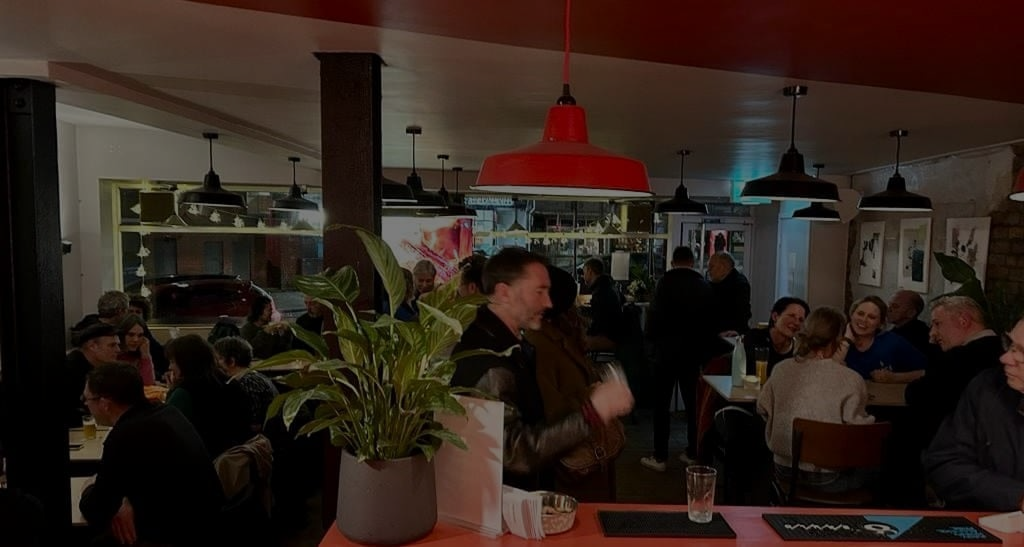
Independent taprooms offer the best opportunity to taste before you commit. A good taproom will carry rotating low ABV options on draught or in the fridge, and staff can pour a taster. Lost And Found Taproom in Brighton’s Fiveways area curates rotating low ABV options alongside its full craft range, with the current menu posted online so you can check what is pouring before you visit.
Seasonality is a genuine factor. Many 2–3% beers are brewed as limited or seasonal runs, with Dry January (January) and summer (June to August) being the periods of highest availability and broadest choice. The seasonal Brighton craft beer guide at Lost And Found Taproom gives a sense of what rotates through the taps at different times of year.
How to pick a low ABV beer that will actually taste good
The ABV number alone tells you very little about whether a beer will be enjoyable. Here is a practical sequence to follow in a shop or at a taproom:
- Start with style, not strength. Decide whether you want a lager, pale ale, sour, stout, or something else. A low ABV beer that matches your preferred style will always satisfy more than one chosen purely for its ABV.
- Check the ABV and format. Confirm the exact percentage on the label and note whether it is canned, bottled, or draught. Canned and bottled beers are easier to compare at home; draught pours benefit from asking the bar team about the current keg.
- Look for “fully brewed” on the label or pump clip. As noted above, this signals better flavour integration than “de-alcoholised.”
- Check the nutrition panel if it is shown. Products at 1.2% ABV or below are legally required to display nutritional information, so calorie comparison is straightforward for those. For 2–3% beers, check whether the brewer has included it voluntarily.
- Ask for a taster or sampler flight. Any decent taproom or specialist bottle shop will let you try before you buy. This is the single most reliable way to judge whether a low ABV beer delivers on its promise.
- Check the production or best-before date. Hop-forward low ABV beers are particularly sensitive to age; fresher is almost always better, especially for pale ales and IPAs.
On price: low ABV craft beers in the UK typically cost between £2.50 and £4.50 per 330ml can or bottle from a specialist retailer, broadly in line with standard craft beer. Draught pours at a taproom are usually priced slightly below their full-strength equivalents. Year-round options from larger producers tend to be cheaper than limited seasonal releases.
Try before you buy at Lost And Found Taproom
Lost And Found Taproom in Brighton’s Fiveways neighbourhood curates a rotating selection of low ABV options alongside its full craft range, with a deliberate focus on independent UK breweries and fully brewed rather than de-alcoholised products. The selection changes regularly, so the best way to see what is currently pouring is to check the online beer menu before you visit.
Tasters are available at the bar, and the team is well-placed to explain production methods and suggest styles based on what you usually drink. If you want to take something home, the bottle shop stocks a selection of low ABV cans and bottles alongside the full range. The taproom also hosts events that bring together local breweries and drinkers, which is a good way to encounter smaller-batch low ABV releases that do not reach wider distribution. The taproom’s relationship with Brighton’s independent breweries means the low ABV options on the menu tend to reflect what local producers are actually making, rather than just the national brands.
Genuine low ABV beers in the 2–3% range exist in the UK but remain far less common than 0.0–0.5% alcohol-free options, and finding the best ones requires knowing where to look and what to check on the label.
| Point | Details |
|---|---|
| 2–3% beers are available but limited | They exist in the UK, mainly through craft taprooms, specialist bottle shops, and online retailers rather than supermarkets. |
| Labelling thresholds matter | “Low alcohol” legally means up to 1.2% ABV; a 2–3% beer is an alcoholic product and must display its ABV on the label. |
| “Fully brewed” beats “de-alcoholised” | Fully brewed low ABV beers retain more hop aroma and mouthfeel than those that undergo secondary alcohol removal. |
| Seasonality affects choice | The widest selection of 2–3% beers appears during Dry January and summer; year-round options are mainly in the 0.0–0.5% band. |
| Lost And Found Taproom | Curates rotating low ABV options in Brighton’s Fiveways; check the online menu and ask for a taster before committing to a bottle. |
Why low ABV beer deserves more credit than it gets
The conventional wisdom used to be that low ABV beer was a compromise: something you drank when you had to, not when you wanted to. That framing has aged badly. The technical advances in brewing over the past decade, particularly in yeast selection and hop extraction, have produced low ABV beers that are genuinely interesting to drink, not just acceptable alternatives.
What still frustrates me about the category is the conflation of “low alcohol” with “alcohol free.” They are not the same thing, and the labelling debate in the UK reflects a real tension: the current 0.05% threshold for “alcohol free” is so low that most European imports cannot use the descriptor, which distorts what consumers see on shelves and makes the category harder to navigate than it needs to be. The proposed move to 0.5% would help, but it does not address the 2–3% range at all. Those beers remain in a kind of no-man’s land: too strong to be “low alcohol” by the official definition, too weak to be taken seriously by drinkers who equate strength with quality.
The best argument for 2–3% beers is not health or moderation, though those are real benefits. It is that they let you drink more slowly and more attentively. A session at 2.8% is a different experience from one at 5.2%, and not just physiologically. You notice the beer more. That is worth something.
Lost And Found Taproom: taste low ABV craft beer in Brighton
Lost And Found Taproom is the place in Brighton to try low ABV craft beer properly, with a rotating draught and bottle selection that prioritises independent UK breweries over the mass-market names you can find anywhere.
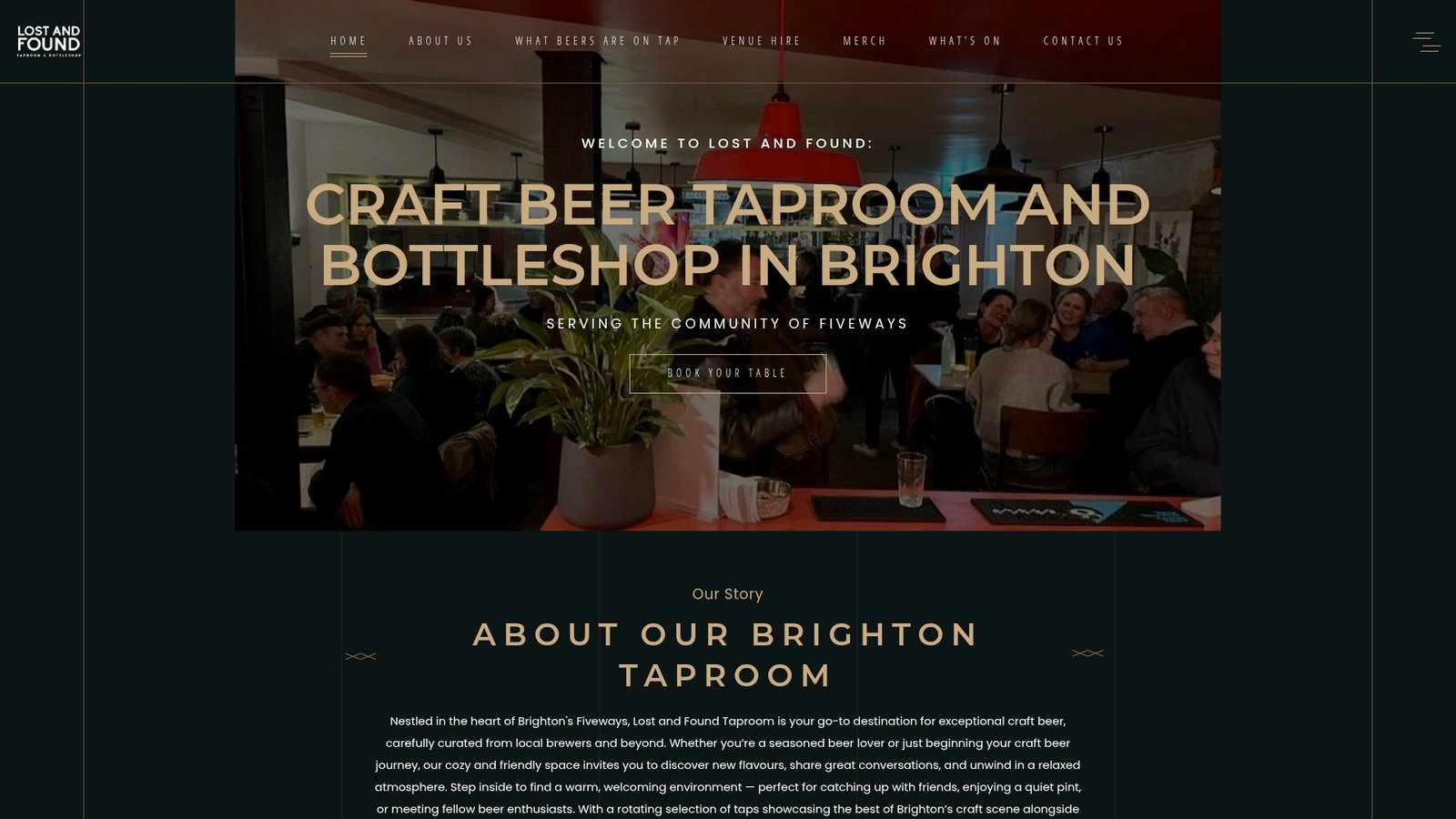
The current low ABV options are listed on the online beer menu, updated regularly so you know what is pouring before you make the trip. The bar team can pour tasters and talk through production methods, and the bottle shop means you can take your favourites home. Whether you are exploring the category for the first time or looking for a specific style, Lost And Found Taproom in Fiveways is the most direct route to finding a low ABV beer you will actually want to drink again. Check the menu online and come in for a taster.
Useful sources and further reading
For anyone who wants to go deeper on UK labelling rules, health guidance, and the brewing techniques behind low ABV beers:
- Updating labelling guidance for no and low-alcohol alternatives: consultation — GOV.UK: the primary source for current UK descriptor thresholds and the ongoing consultation on changing the alcohol-free definition
- Potential health impacts of changing the alcohol-free descriptor: evidence review — GOV.UK / OHID: the evidence review underpinning the consultation, including BAC modelling for low ABV drinks
- Alcoholic beverages and alcohol in food — Business Companion: summary of labelling guidance and the voluntary nature of descriptor usage in England
Always check the label and the online menu before visiting a taproom; ABV, format, and seasonal availability change regularly.