




How to taste beer: a step-by-step guide for enthusiasts
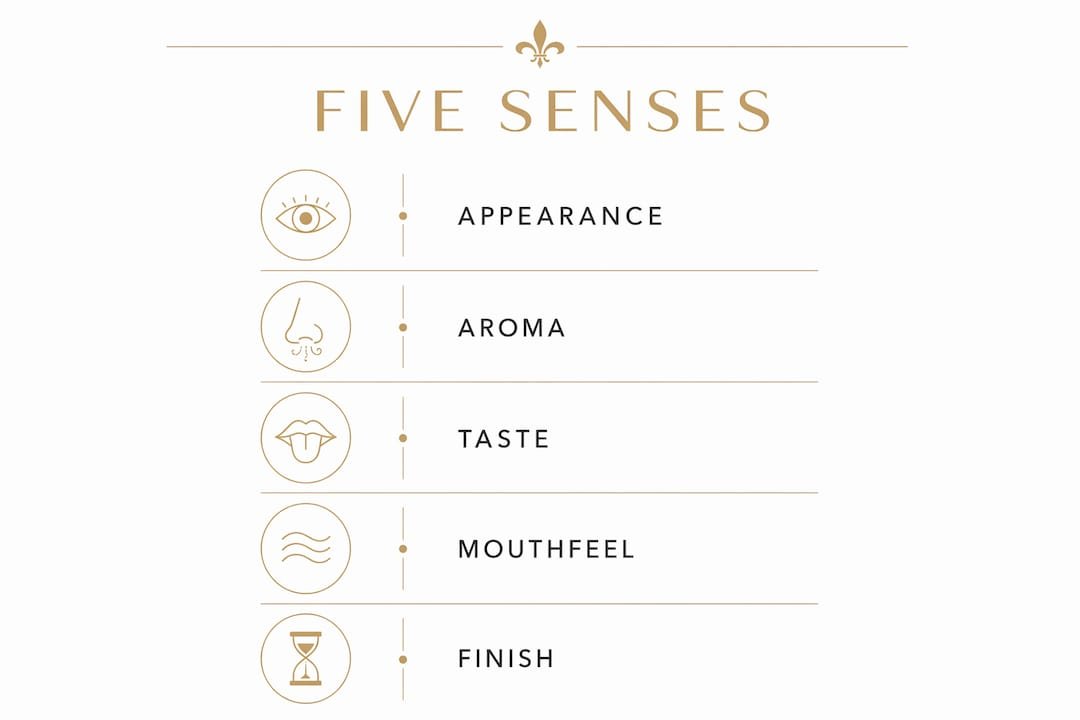
Tasting beer properly means working through five sensory stages in sequence: appearance, aroma, taste, mouthfeel, and finish. The Cicerone Certification Program and WSET both anchor their professional training around exactly this framework, and for good reason. Each stage builds on the last, giving you a complete picture of what the brewer intended and whether they pulled it off.
Here is the core sequence at a glance:
- Appearance: Assess colour, clarity, and the head (size, retention, colour).
- Swirl: Gently agitate the glass to release volatile aromatic compounds.
- Smell: Take multiple sniffs at different distances to identify aroma layers.
- Taste: Sip deliberately and identify sweetness, bitterness, acidity, and balance.
- Finish: Note the aftertaste, mouthfeel, carbonation, and how long the flavour lingers.
None of these steps takes more than thirty seconds. Together, they transform a casual drink into something you actually understand.
Table of Contents
- How to taste beer: the five sensory stages in detail
- What causes the flavours you find in beer?
- How does cask, keg, or bottled beer change what you taste?
- Expert tips to sharpen your beer tasting skills
- Tasting beer at Lost And Found Taproom in Brighton
- Building a beer tasting vocabulary that actually works
- How to record your tasting notes so they are actually useful
- Key takeaways
How to taste beer: the five sensory stages in detail
Appearance: what your eyes tell you first
Pour the beer into a clean, appropriate glass and hold it up to the light. Colour runs from pale straw through gold, amber, copper, and brown to near-black, and it signals the malt bill before you have taken a single sip. Clarity matters too: most lagers and pale ales should be clear, while hazy New England IPAs and wheat beers are intentionally cloudy. A beer that is hazy when it should not be may indicate a yeast issue or poor storage.
The head deserves attention. A thick, persistent foam on a well-conditioned cask ale is a sign of good protein content and fresh condition. Flat, thin foam on a beer that should carry a head suggests either a dirty glass or a beer past its best.
Swirling to release aroma
A gentle swirl before you smell is not theatre. It increases the surface area of the liquid and drives off volatile aromatic compounds, particularly the esters and hop oils that sit near the top of the glass. Do not slosh; a slow circular motion is enough. Serving temperature around 11–13°C and the right glass shape both amplify this effect, because a tulip or snifter funnels the released aromas directly towards your nose.

Smelling: layers, not just a quick sniff
Most people smell a beer once and move on. Professional tasters use at least two or three approaches to extract the full picture.
- Distant sniff: Hold the glass 10–15 cm from your nose for a first, gentle impression.
- Covered sniff: Cup your hand over the rim for a few seconds, then remove it and inhale. This concentrates the volatiles.
- Short sniff: Bring the glass close and take a quick, sharp inhale to catch lighter top notes.
Pro Tip: Alternate nostrils between sniffs. Each nostril processes aroma slightly differently, and switching helps you catch notes you might otherwise miss. It also slows you down, which prevents the sensory adaptation that flattens everything into a single undifferentiated smell.
Taste: more than just bitter or sweet
Take a proper sip, not a tiny sip, and let the beer coat your whole palate before you swallow. The WSET Systematic Approach to Tasting Beer asks you to rate carbonation, body, bitterness, and sweetness on a simple scale (none/low/medium/high), which is a useful mental scaffold even if you never fill in a formal sheet.
- Sweetness comes from residual malt sugars and peaks on the tip of the tongue.
- Bitterness from hops registers at the back and sides and lingers after swallowing.
- Acidity is a sharp, mouth-watering sensation most obvious in sour styles.
- Balance is the interplay between all three. A well-balanced beer does not let any single element dominate unless the style demands it.
Mouthfeel and finish
Mouthfeel covers carbonation level, body (light, medium, or full), and any astringency or warming from alcohol. The finish is simply how long the flavour stays with you after you swallow and what it tastes like. A short, clean finish suits a session lager; a long, complex finish is expected from a barleywine or imperial stout. If a beer leaves a harsh, drying sensation, that is usually astringency from tannins or over-hopping.
What causes the flavours you find in beer?
Understanding where a flavour comes from makes it far easier to name. The Cicerone syllabus groups the main sources into four categories, and the WSET flavour wheel expands each one into dozens of specific descriptors.
- Malt: Pale malts give bready, biscuity, and lightly sweet notes. Crystal malts add caramel and toffee. Roasted malts bring coffee, dark chocolate, and occasionally a dry, ashy bitterness.
- Hops: British varieties such as Fuggles and East Kent Goldings tend towards earthy, herbal, and floral. American hops lean citrus and pine. New-world varieties from New Zealand and Australia often read as tropical fruit, passionfruit, or white grape.
- Yeast: Ale yeasts produce esters (banana, pear, stone fruit) and phenols (clove, pepper, smoke) at varying levels depending on fermentation temperature. Lager yeasts ferment cold and clean, contributing very little character of their own.
- Bacteria: Lactobacillus and Pediococcus produce lactic acid, giving Berliner Weisse and Gose their sharp, yoghurt-like sourness. Brettanomyces adds earthy, leathery, or barnyard notes typical of Belgian lambic and some aged ales.
A beer that smells of green apple or emulsion paint is showing acetaldehyde, a sign of incomplete fermentation. Butter or buttered popcorn points to diacetyl, usually from a fermentation or conditioning fault. Knowing these off-flavours is as useful as knowing the desirable ones.
How does cask, keg, or bottled beer change what you taste?
The same recipe can taste noticeably different depending on how it reaches your glass. Cask-conditioned ales undergo a secondary fermentation in the cask itself, which means live yeast, natural carbonation, and a softer, rounder mouthfeel. They are typically served at cellar temperature (around 11–13°C) and are at their best within a few days of tapping.
- Cask: Lower carbonation, fuller body, more delicate hop aroma, and a texture that many drinkers describe as silky. CAMRA considers this the definitive British ale format.
- Keg: Filtered and often pasteurised, then force-carbonated. The result is a crisper, more consistent pour with higher carbonation and a colder serving temperature. Flavour is more stable but can feel less complex.
- Bottle: Hugely variable. Bottle-conditioned beers (with live yeast in the bottle) behave similarly to cask and often develop complexity with age. Filtered and pasteurised bottles are closer to keg in character. Serving temperature matters enormously here: a bottle-conditioned stout served straight from the fridge will taste flat and muted compared to the same beer at 12°C.
For tasting purposes, always note the format before you evaluate. Judging a cask bitter by keg standards, or expecting a filtered lager to have the yeasty complexity of a bottle-conditioned saison, leads to unfair assessments.
Expert tips to sharpen your beer tasting skills
The single most common mistake casual tasters make is overestimating how much they are actually detecting. Sensory adaptation happens fast: after three or four beers, your palate starts to flatten everything out. Research suggests that the optimal window for sensory evaluation is 10–11 AM, with no more than 6–8 samples per hour to maintain accuracy.
Glassware and temperature first. A correct glass concentrates aroma and supports the head. A tulip suits IPAs and Belgian ales; a straight-sided sleeve glass works for cask bitters; a wide-mouthed goblet opens up malty lagers and bocks. Never use a frosted glass for anything you want to actually taste.
Palate cleansing between samples. Plain white bread, unsalted crackers, or mild cheese are the recommended options from sensory scientists. Water alone is less effective because it does not reset the fat-soluble compounds that cling to your palate. Avoid spicy or heavily aromatic food before a tasting session entirely.
Pro Tip: Before a tasting session, avoid coffee, toothpaste with strong mint, and perfume or aftershave. These do not just affect your taste; they interfere with your ability to smell accurately for up to an hour. If you are serious about getting the most from a tasting, plan what you eat and wear accordingly.
Comparative tastings build skill faster than solo ones. Tasting two similar beers side by side forces you to articulate the difference rather than describe each in isolation. Side-by-side comparisons sharpen flavour recognition and reduce the personal bias that comes from tasting blind. Start with two pale ales from different breweries, then move to different styles once you have a baseline.
As CAMRA emphasises, there are no objectively correct answers in beer tasting. You are building a personal vocabulary, not passing an exam. A beer you dislike may still be a technically excellent example of its style, and recognising that distinction is one of the most useful skills you can develop. If you are managing a longer tasting session, it is also worth thinking about pacing and recovery to keep your senses sharp throughout.
Tasting beer at Lost And Found Taproom in Brighton
Lost And Found Taproom in Brighton’s Fiveways neighbourhood is one of the best places in the city to put these techniques into practice. The rotating tap list draws from independent Sussex breweries and producers from across the UK, which means you will rarely encounter the same beer twice. That variety is genuinely useful for palate training: you can move from a local pale ale to a Sussex porter to a bottle-conditioned saison in a single visit and experience the full range of what the Brighton craft beer scene currently offers.
- The beer and food menus are available online, so you can plan pairings and identify styles before you arrive.
- Tasting events and community sessions connect you with other enthusiasts and with the brewers themselves.
- Staff are genuinely knowledgeable and happy to walk you through a beer’s provenance, ingredients, and what to look for in the glass.
- Tasting cards are available onsite to help you record observations systematically.
The taproom’s approach reflects what Aberdeen CAMRA and CAMRA nationally both advocate: that understanding style guidelines lets you evaluate a beer’s technical merit independently of whether you personally enjoy it. That is a more interesting way to drink.
Building a beer tasting vocabulary that actually works
The gap between “I taste something fruity” and “this has a pronounced lychee and passionfruit character from the Nelson Sauvin hops” is just practice and the right words. The WSET flavour wheel organises descriptors into families: malt and grain (bread, biscuit, caramel, roast), hops (floral, citrus, tropical, herbal, resinous), yeast (fruit esters, phenols, spice), and bacteria (lactic, acetic, earthy). Starting with those four families gives you a structure to hang observations on rather than reaching for vague adjectives.
Avoid the trap of defaulting to “hoppy” or “malty” as catch-all terms. Hoppy can mean anything from the grassy bitterness of a traditional British bitter to the aggressive resinous punch of a West Coast IPA. Be specific: is the bitterness clean and dry, or does it linger and build? Does the aroma read as citrus peel, pine resin, or fresh grass? The ASBC Sensory Analysis database catalogues 122 separately identifiable flavour notes in beer, which gives you a sense of the range available. You do not need all 122. You need enough to describe what is actually in your glass.
Reading tasting notes from breweries and comparing them against your own impressions is one of the fastest ways to expand your vocabulary. Where you find a mismatch, that is the interesting bit: either the brewer is describing an intention rather than a reality, or you are missing something worth looking for.
How to record your tasting notes so they are actually useful
A tasting note written in the moment is worth ten times one written from memory an hour later. The simplest format that works is a structured card covering appearance, aroma, taste, mouthfeel, and finish, with a brief overall impression and a score. The BJCP Beer Score Sheet uses a 50-point scale across these categories and is freely available as a reference, though for home use a simpler 10-point scale per category is perfectly adequate.
Write in plain language. “Dark amber, clear, persistent off-white head. Aroma: caramel, dried fruit, light toffee. Taste: medium-sweet, low bitterness, hint of plum. Mouthfeel: medium body, low carbonation. Finish: short, clean, slightly warming” is more useful than “nice, complex, quite malty.” The specifics are what you can compare against the next beer of the same style.
Keep your notes in one place, whether that is a dedicated notebook, a notes app, or a structured tasting card system. Over time, patterns emerge: you might notice you consistently underestimate bitterness in dark beers, or that you are more sensitive to diacetyl than most. Those patterns are your palate’s fingerprint, and knowing them makes you a better, more honest taster. Also note the format (cask, keg, bottle), the serving temperature, and the glassware. Context shapes perception more than most people expect, and having that information lets you revisit a beer fairly rather than judging it against a different set of conditions.
Key takeaways
Tasting beer properly requires a structured five-stage approach covering appearance, aroma, taste, mouthfeel, and finish, applied consistently across cask, keg, and bottled formats.
| Point | Details |
|---|---|
| Follow the five stages | Appearance, aroma, taste, mouthfeel, and finish give a complete sensory picture of any beer. |
| Sniff in multiple ways | Distant, covered, and short sniffs reveal different aroma layers and prevent sensory adaptation. |
| Know your flavour sources | Malt, hops, yeast, and bacteria each produce distinct, identifiable notes that explain what you are tasting. |
| Format changes the experience | Cask, keg, and bottled beers differ in carbonation, mouthfeel, and complexity; evaluate each on its own terms. |
| Record notes immediately | Structured tasting notes written in the moment build vocabulary and reveal your palate’s patterns over time. |
Recommended
- Beer Tasting at Home: A Craft Enthusiast’s Guide
- Beer Glassware Guide: Which Glass for Every Style
- Taproom Brighton: 7 Food and Beer Pairing Mistakes You’re Making (And How to Fix Them) – Lost And Found Craft Beer Taproom Brighton
- Why Everyone Is Talking About Proper Craft Lager (And You Should Too for Your Next Brighton Craft Beer Fix) – Lost And Found Craft Beer Taproom Brighton