


Beer Tasting at Home: A Craft Enthusiast’s Guide
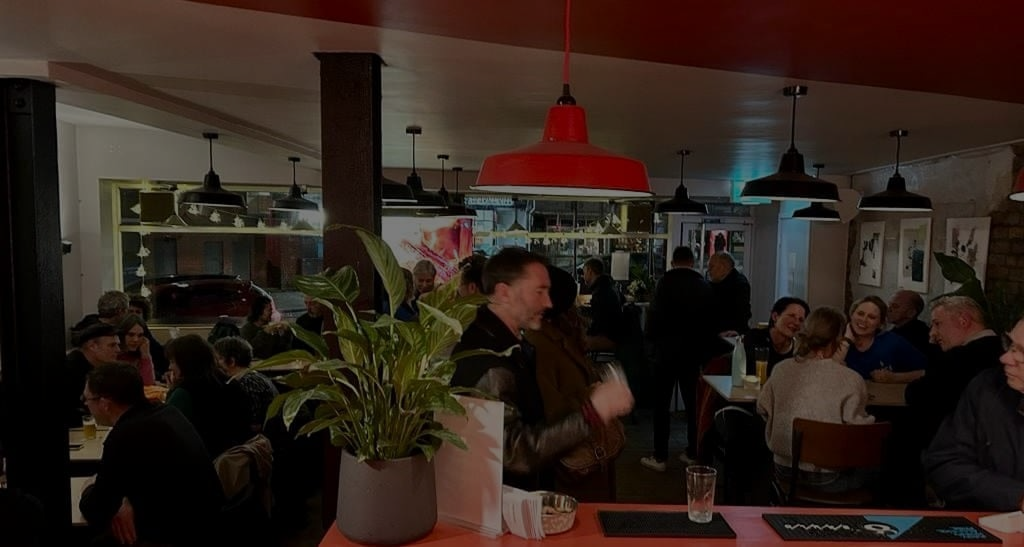
Beer tasting at home is the practice of sampling different beer styles in a structured way to explore flavors, aromas, and textures from your own space. Known formally as sensory evaluation, this approach mirrors what professional brewers and certified judges use to assess beer quality and character. The goal is not just to drink beer but to understand it. A well-run home tasting covers 3–6 distinct styles, lasts roughly 60 minutes, and works best with 6–12 participants. Lostandfoundbrighton runs exactly this kind of structured experience at its Fiveways taproom, and you can replicate the core of it at home with the right setup.
What do you need to set up a beer tasting at home?
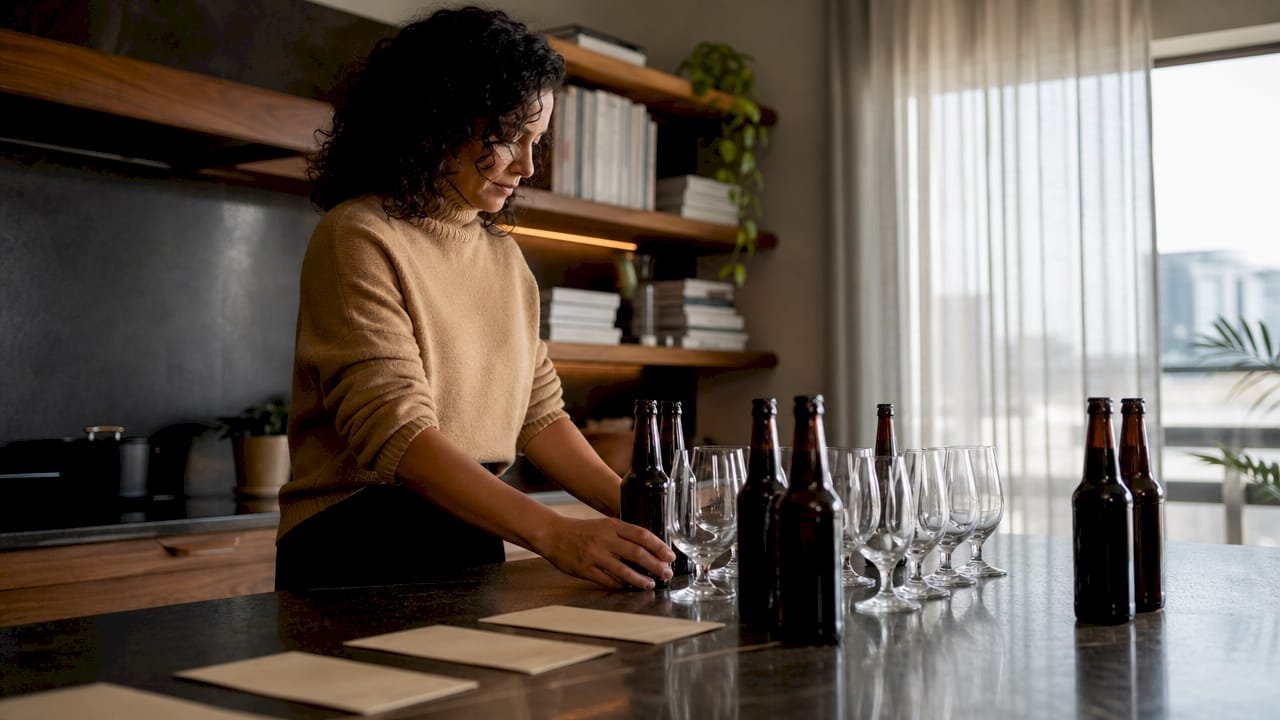
The right tools make the difference between a casual drink and a genuine tasting. Glassware is the single most important variable. Proper glassware concentrates aromas and lets you read color and clarity, both of which shape how you perceive flavor before the beer even touches your lips. Stemmed tulip glasses or ISO tasting glasses work best because their inward taper traps volatile aroma compounds near the rim.
Beyond glassware, you need a few low-cost items to run a clean session. A printed scorecard for each taster keeps notes organized and makes post-tasting comparison easy. Plain crackers, sliced bread, and filtered water serve as neutral palate cleansers that reset the palate between pours without adding competing flavors. Keep the tasting space free of strong cooking smells, candles, or perfume, since olfactory interference is the most common reason tasters miss subtle aromas.
| Tool | Requirement | Why It Matters |
|---|---|---|
| Glassware | Stemmed tulip or ISO glass | Concentrates aroma, shows color |
| Scorecard | One per taster per beer | Tracks aroma, flavor, body, finish |
| Palate cleanser | Plain crackers, bread, water | Resets palate between samples |
| Pen or pencil | One per taster | Records tasting notes in real time |
| Serving measure | 4 oz per beer per person | Prevents intoxication, reduces waste |
| Neutral environment | No strong scents, good lighting | Removes sensory interference |
Pour 4 ounces per person per beer. That volume is enough to evaluate appearance, aroma, and flavor across multiple rounds without anyone losing focus by the third pour.
How do you choose and prepare beers for a home flight?
A well-chosen beer flight at home tells a story. The most effective approach is to pick a theme and build your lineup around it. Common themes include a single style progression (session lager through imperial stout), a regional focus (all Sussex breweries), or a country comparison (British ales vs. American craft). For local Brighton beer ideas, Lostandfoundbrighton’s rotating tap list is a strong starting point for building a varied and interesting lineup.
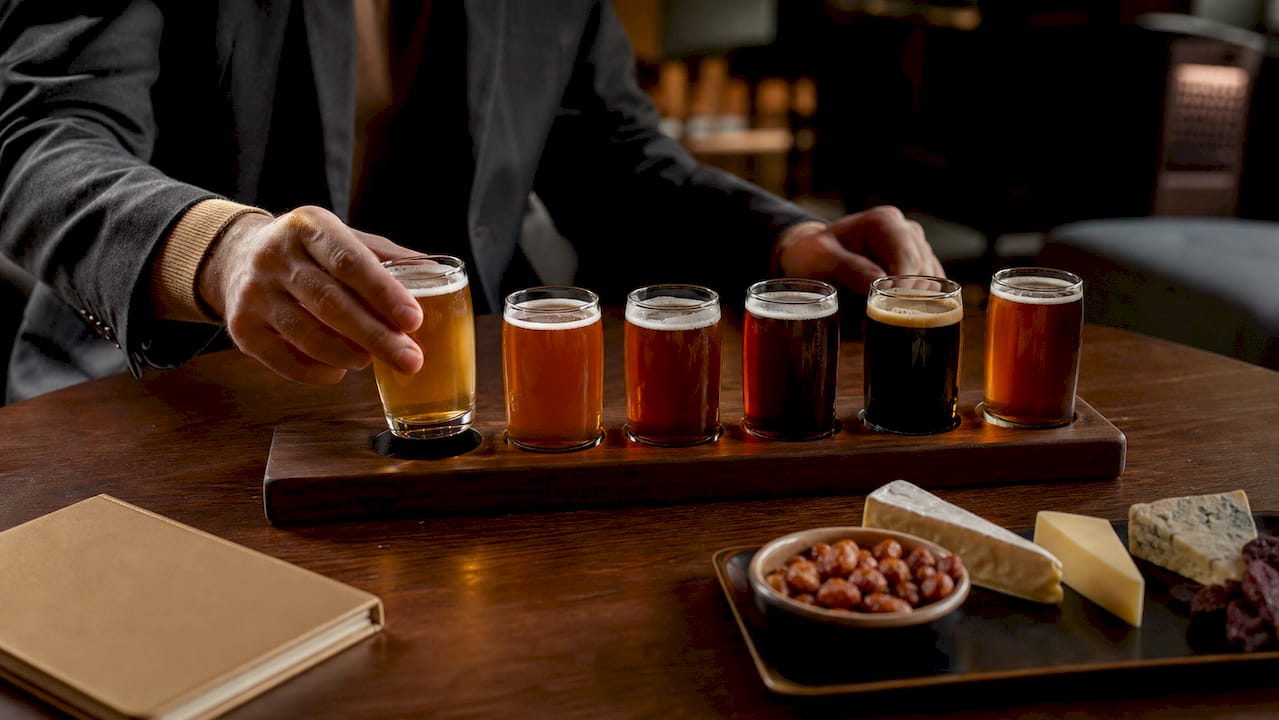
Tasting order is not optional. Professional tasting order moves from lightest and lowest alcohol to darkest and strongest, specifically to prevent palate fatigue. A bold imperial stout tasted first will flatten everything that follows. Start with a pilsner or pale lager, move through pale ales and ambers, and finish with stouts, barleywines, or sour styles.
Serving temperature affects what you actually taste. Lighter beers perform best served cold, while complex, higher-alcohol styles release significantly more aroma near 13°C. Pull your stronger beers from the fridge 15–20 minutes before the session starts. This small step alone reveals layers that cold-serving hides.
- Select 3–6 beers to keep the session focused and manageable.
- Choose a clear theme: style progression, regional, or country of origin.
- Order from lowest to highest ABV and lightest to darkest color.
- Pull stronger beers from the fridge 15–20 minutes early to reach serving temperature.
- Use paper bags or foil to hide labels for a blind tasting format.
- Number each covered bottle or can so tasters can reference them on scorecards.
Pro Tip: Blind tasting removes brand bias completely. Tasters who know they are drinking a well-known label consistently rate it higher than when the label is hidden. Covering bottles with numbered paper bags is the fastest way to make your session more honest and more revealing.
How do you conduct the tasting and use sensory analysis?
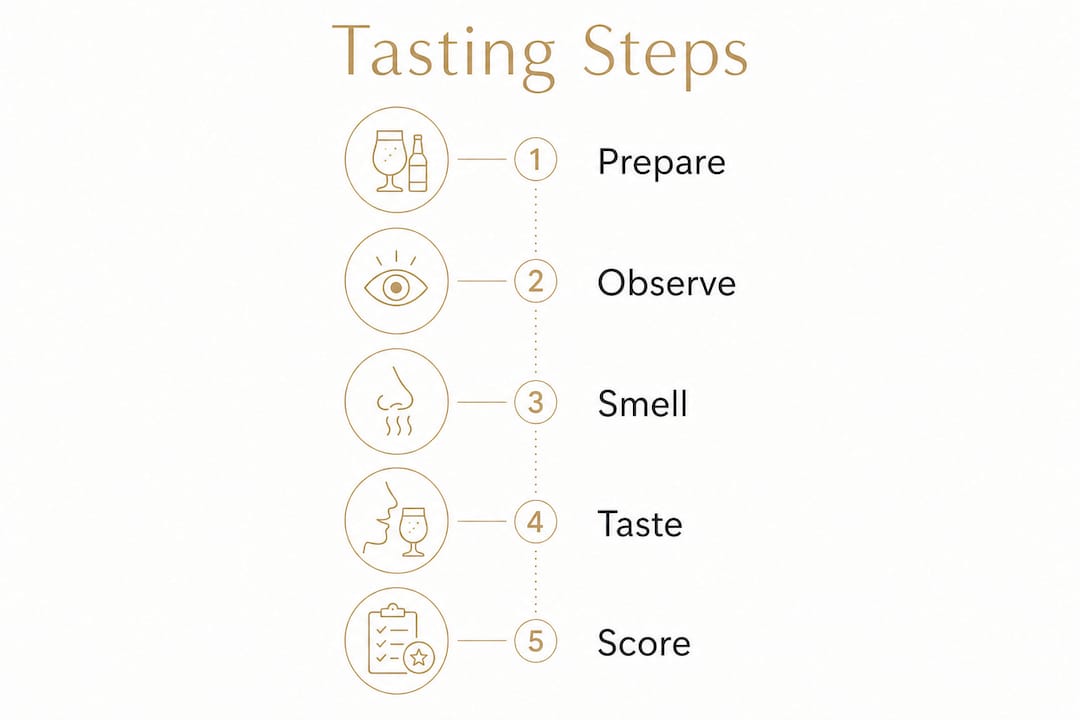
Sensory analysis follows a fixed sequence: appearance, aroma, taste, mouthfeel, and finish. Skipping steps or rushing through them is the most common reason home tastings feel flat. Each step builds on the last, and the information compounds.
- Pour and observe. Tilt the glass at 45 degrees and pour slowly down the side. Note the color, clarity, and head retention. A hazy amber with a thin white head tells you something different than a jet-black beer with a dense tan foam.
- Smell before you sip. Hold the glass just below your nose and take two or three short, deliberate sniffs. Short deliberate sniffs prevent CO2 from numbing your olfactory receptors, which deep inhalations cause quickly. Write down the first two or three aromas you detect before they fade.
- Take a small first sip. Let the beer coat your entire palate. Note the initial flavor, then the secondary flavors that develop after a few seconds. Identify sweetness, bitterness, acidity, and any fruit, grain, or roast character.
- Assess mouthfeel. Is the body light, medium, or full? Is the carbonation sharp or soft? Does the finish linger or cut clean? These physical sensations are as important as flavor when building a complete picture of the beer.
- Write your notes immediately. Do not wait until after the session. Memory degrades fast, especially across multiple samples.
- Revisit as the beer warms. Beer flavors evolve as temperature rises. Alcohol character, body, and astringency all become more pronounced near room temperature. A second sniff and sip five minutes later often reveals something the cold pour concealed.
Pro Tip: Push your flavor vocabulary past generic terms. “Citrus” is a starting point, not a destination. Ask yourself whether it is grapefruit, orange zest, or Meyer lemon. Precise flavor descriptors build a personal preference profile you can actually use when choosing your next beer or refining a homebrew recipe.
Scorecards should cover five categories: aroma, flavor, body, finish, and overall impression. Rate each on a simple 1–5 scale or use free-text notes. The format matters less than the habit of writing things down consistently.
What mistakes should you avoid during a home beer tasting?
Most home tastings go wrong in predictable ways. Knowing the pitfalls in advance means you spend the session tasting beer, not troubleshooting it.
- Wrong tasting order. Starting with a high-ABV or heavily hopped beer destroys your palate for everything that follows. Always go light to dark, low to high alcohol.
- Oversized pours. Pouring full pints across six beers means tasters are impaired before the session ends. Stick to 4 oz pours.
- Skipping palate cleansers. Without plain crackers or bread between samples, residual flavors from one beer bleed into the next. Avoid flavored crackers, spicy snacks, or anything with a strong aftertaste.
- Scented environment. Strong cooking smells, candles, or perfume compete directly with beer aromas. Taste in a neutral-smelling room.
- Dirty or scented glassware. Soap residue kills head retention and adds off-flavors. Rinse glasses with hot water only and air dry before the session.
- Rushing. A structured tasting for 5–6 beers takes about 60 minutes including discussion. Pushing through faster means tasters skip the warming phase and miss the most interesting flavor development.
- Ignoring hydration. Water between each beer is not optional. It clears the palate and slows alcohol absorption, keeping everyone sharp through the final pour.
For anyone planning a larger group event, the event hosting tips from Lostandfoundbrighton cover group management and pacing in detail.
Key Takeaways
A successful beer tasting at home requires proper glassware, a light-to-dark tasting order, 4 oz pours, neutral palate cleansers, and deliberate sensory evaluation at each step.
| Point | Details |
|---|---|
| Tasting order matters | Always progress from lightest, lowest-ABV beers to darkest and strongest to protect your palate. |
| Use the right glass | Stemmed tulip or ISO glasses concentrate aroma and improve color assessment significantly. |
| Keep pours small | Four ounces per beer per person maintains focus and prevents early intoxication across a full flight. |
| Blind tasting removes bias | Covering labels with numbered bags forces tasters to evaluate flavor, not reputation. |
| Revisit beers as they warm | Flavor complexity increases with temperature, revealing body, alcohol, and aroma notes missed when cold. |
Why blind tasting changed how I think about beer
Most people approach a home tasting the same way they approach a pub visit: they pick a beer they already like and drink it. Structure feels unnecessary. That instinct is exactly wrong, and I say that from experience.
The first time I ran a proper blind tasting, a beer I had dismissed as “too simple” came out as the group’s top-rated pour. Without the label, nobody brought their preconceptions to it. The beer got a fair hearing. That result taught me more about my own biases than about the beer itself.
What I have found over many sessions is that the tasting order rule is the one most people resist and the one that matters most. Tasters who insist on starting with their favorite strong ale consistently struggle to evaluate the lighter beers that follow. The palate does not recover as fast as people think.
The other thing worth saying: do not treat note-taking as homework. The goal is not to produce a formal review. It is to slow down and pay attention. Writing “tastes like orange peel and toast” takes ten seconds and makes the experience stick in a way that passive drinking never does. Regular sessions genuinely improve sensory skills, which matters if you homebrew and want to evaluate your own recipes honestly. The food and beer pairing mistakes article from Lostandfoundbrighton is worth reading alongside this guide, because palate management during a tasting and during a meal follow the same logic.
— Jon
Brighton beers worth bringing to your next tasting
Lostandfoundbrighton curates a rotating selection of independent UK breweries, with a strong focus on local Brighton and Sussex producers. That variety makes it an ideal source for building a diverse home tasting flight.
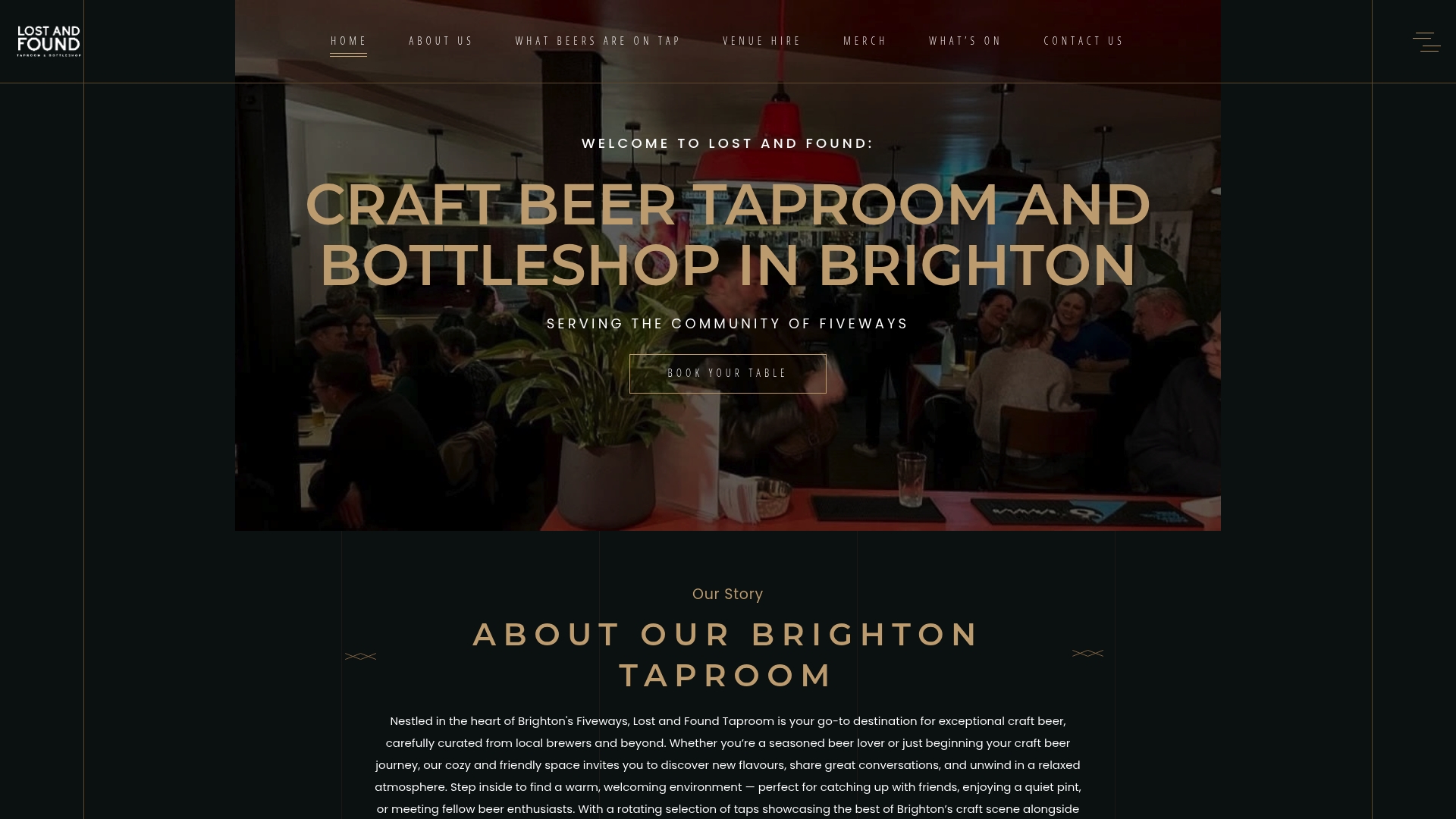
The food and beer menus are available online, so you can plan your lineup and pairing ideas before you visit or order to take home. Whether you are building a style progression from craft lager through to stout, or exploring what Brighton’s independent breweries are producing right now, the Lost And Found tap list gives you real options. Stop in at the Fiveways taproom to taste before you buy, or browse the selection online and bring a mixed case home for your next session.
FAQ
How many beers should I include in a home tasting?
The ideal range is 3–6 beers per session. More than six makes it difficult to maintain palate clarity and keep tasting notes meaningful.
What is the best glass for tasting beer at home?
A stemmed tulip glass or ISO tasting glass works best. Both concentrate aromas at the rim and allow you to assess color and clarity accurately.
Should I serve all beers at the same temperature?
No. Lighter beers taste best cold, while complex, higher-alcohol styles should be served closer to 13°C to release their full aroma profile.
What is blind tasting and why does it matter?
Blind tasting means hiding beer labels so tasters evaluate flavor without brand influence. It removes bias and produces more honest, accurate sensory assessments.
How long should a home beer tasting last?
A structured session covering 5–6 beers, including discussion and note-taking, takes approximately 60 minutes. Rushing shortens the warming phase and reduces the quality of flavor evaluation.
Recommended
- Why Everyone Is Talking About Proper Craft Lager (And You Should Too for Your Next Brighton Craft Beer Fix) – Lost And Found Craft Beer Taproom Brighton
- Craft Beer Brighton: A Beginner’s Guide to Mastering Local Brews in 2025 – Lost And Found Craft Beer Taproom Brighton
- Are Hazy IPAs Dead? Why Brighton is Rediscovering the Joy of Proper Independent Lager – Lost And Found Craft Beer Taproom Brighton
- A Mother’s Day Toast: Introduce Her to the Best of Sussex Craft Beer – Lost And Found Craft Beer Taproom Brighton