


Brighton's New Licensing Policy 2025: What Craft Beer Fans and Taprooms Need to Know
Brighton's craft beer scene is buzzing, but if you're wondering why fewer new taprooms are popping up around our beloved city, the answer lies in some pretty significant changes to licensing policies this year. As your local craft beer taproom here in Fiveways, we thought it was time to break down what's really happening with Brighton's new 2025 licensing rules and what they mean for craft beer lovers, independent venues, and the future of our vibrant beer community.
The New Reality: Brighton's "Saturation" Approach
Brighton and Hove City Council has taken a firm stance on new alcohol licenses, implementing what they're calling a "saturation policy" across key areas of our city. This isn't just bureaucratic jargon – it's having real impact on where and how new craft beer venues can open.
Areas like Surrey Street near Brighton station and central Hove are now designated as "saturated zones." What does this mean? Simply put, if you want to open a new taproom or craft beer venue in these areas, you need to prove "exceptional circumstances" before the council will even consider your application. It's like trying to prove you deserve a golden ticket – possible, but certainly not easy.
The reasoning behind this policy stems from concerns about drink-related crime and anti-social behaviour. While we understand the council's safety-first approach, it does create significant hurdles for independent entrepreneurs who want to contribute to Brighton's thriving craft beer culture.
What's Changed for New Taprooms and Craft Beer Venues
The most striking change affects how new venues can operate, particularly around off-sales. Recent license approvals in 2025 show a clear pattern: new craft beer venues are being heavily restricted on what they can sell for takeaway.
Take the recent approval for BeerBelly Ltd's micropub on Hove seafront. Their license specifically prohibits off-sales of draft alcohol and spirits entirely. This means customers can enjoy these drinks on-premises but can't take draft beer home – a significant limitation for the traditional bottle shop model that many craft beer enthusiasts love.
For venues that do get approval for off-sales, the restrictions are quite specific. All alcohol must be "specialist, small batch, or locally produced," and any off-sales must be in sealed containers. There's even a requirement that customers who want to smoke must leave their drinks inside rather than taking them outside.
Geographic Restrictions: Supporting Local, Limiting Choice
Here's where things get particularly interesting for us craft beer lovers. The new policies include geographic restrictions that could reshape what beers you'll find in new Brighton taprooms.
Some recent applications have faced conditions limiting off-sales to craft beer from independent producers based only within south-east England. While this supports our local brewing community (which we're absolutely passionate about), it does limit the diversity of craft beers that new venues can offer from other regions.
Wine selections are similarly restricted, with limits to just two varieties of each type – white, orange, red, rosé, and sparkling – and these must come from independent outlets only.
The Food Service Mandate: Changing the Taproom Model
Perhaps the most significant operational change is the food service requirement. New venues must serve customers at tables, with substantial food available whenever alcohol is being sold. This effectively pushes new craft beer venues toward a restaurant or gastropub model rather than a pure taproom experience.
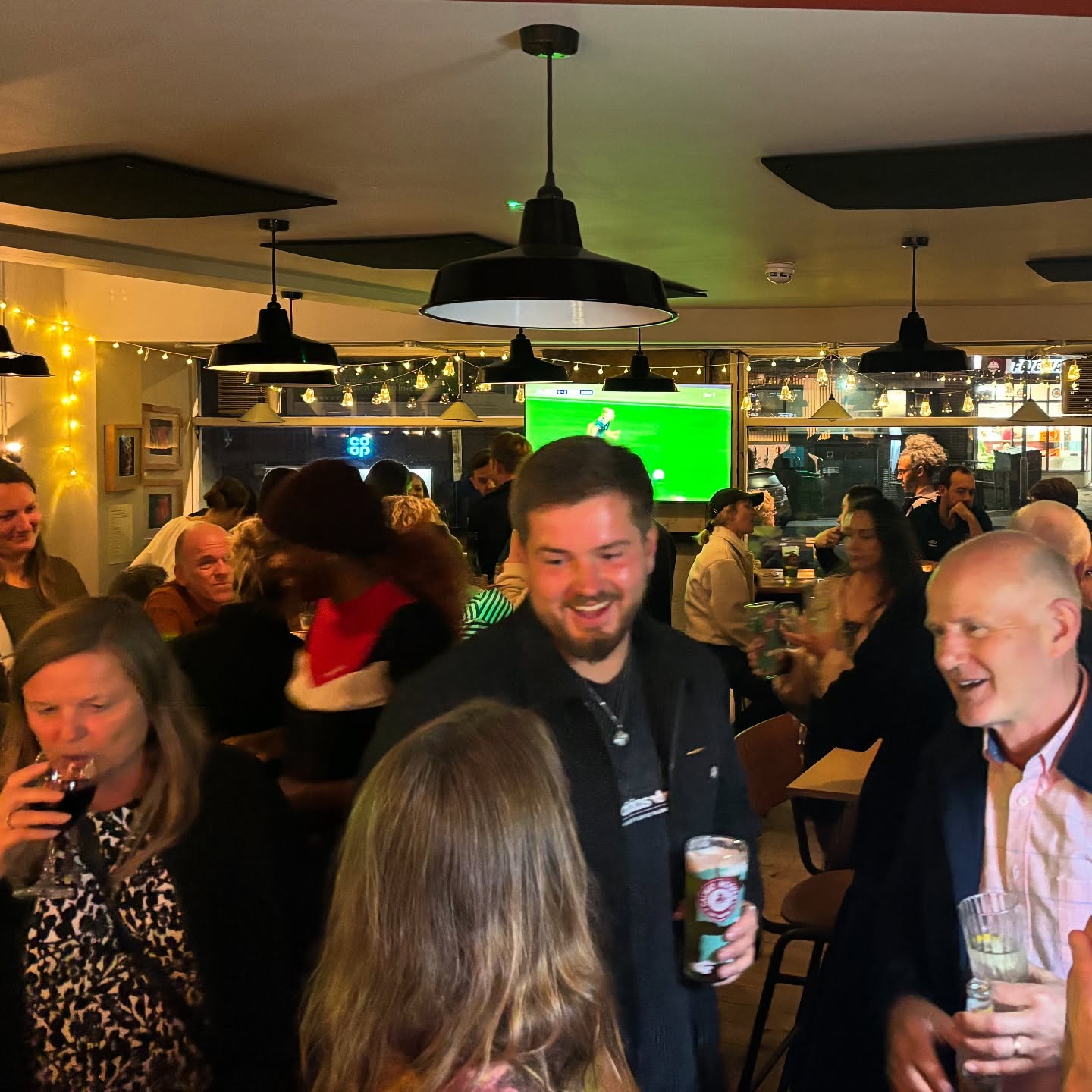
While we're all for thoughtful hospitality, we don't run a full kitchen at Lost and Found Taproom – we only serve crisps and nuts – so this requirement adds complexity and costs for new business owners. It means the traditional "beer-focused" taproom model becomes much harder to implement for newcomers to the scene.
What This Means for Brighton's Craft Beer Community
As craft beer enthusiasts, we're seeing a landscape where established venues like ours become even more valuable to our community. The restrictions on new venues mean that existing taprooms in Brighton play a crucial role in maintaining the diversity and accessibility of independent craft beer.
For beer lovers, this could mean:
- Fewer new taprooms opening, particularly in central areas
- Greater focus on local and regional brewers in new venues that do open
- More restaurant-style craft beer venues rather than traditional taprooms
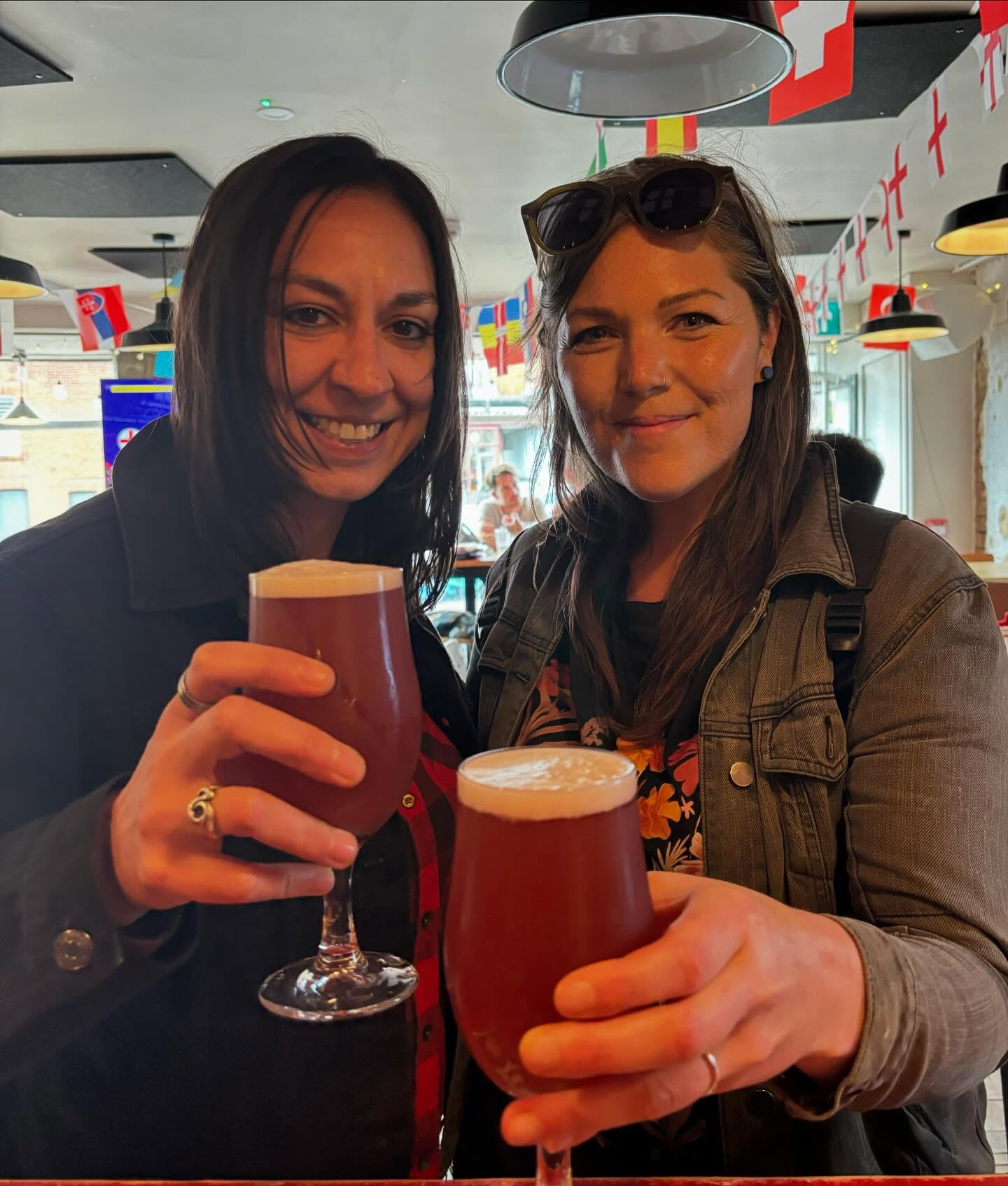
- Increased importance of existing independent venues like Lost and Found
The Silver Lining: Quality Over Quantity
While these restrictions might seem limiting, there's a positive angle for genuine craft beer lovers. The emphasis on specialist, small-batch, and locally produced alcohol means new venues opening will likely focus on quality over quantity.
The micropub model, which emphasises carefully curated selections of independent beers served in a cosy, community-focused environment, seems to be finding favour with licensing panels. This aligns beautifully with the craft beer ethos we champion – supporting independent brewers, fostering community, and prioritising quality over mass-market options.
Navigating the New System
For entrepreneurs hoping to open new craft beer venues, success in 2025's regulatory environment requires careful planning. The "exceptional circumstances" requirement means demonstrating how your venue will be genuinely different from existing establishments while addressing community concerns about alcohol-related issues.
Applications are reviewed by three-councillor licensing panels, with conditions typically negotiated with Sussex Police beforehand. The council's licensing team actively scrutinizes applications in saturated areas, and local residents or businesses can submit objections that must be addressed.
What This Means for Lost and Found Taproom
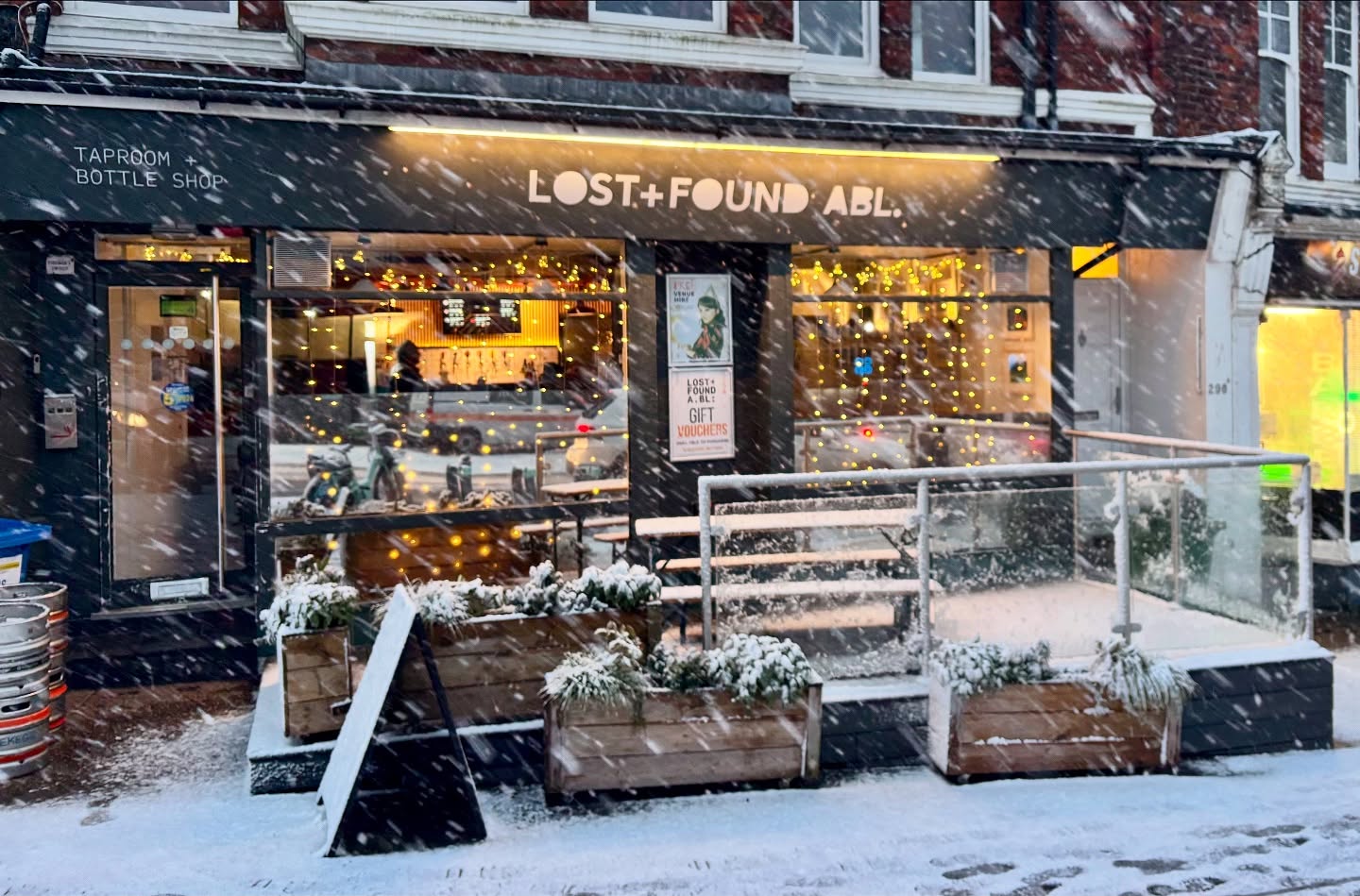
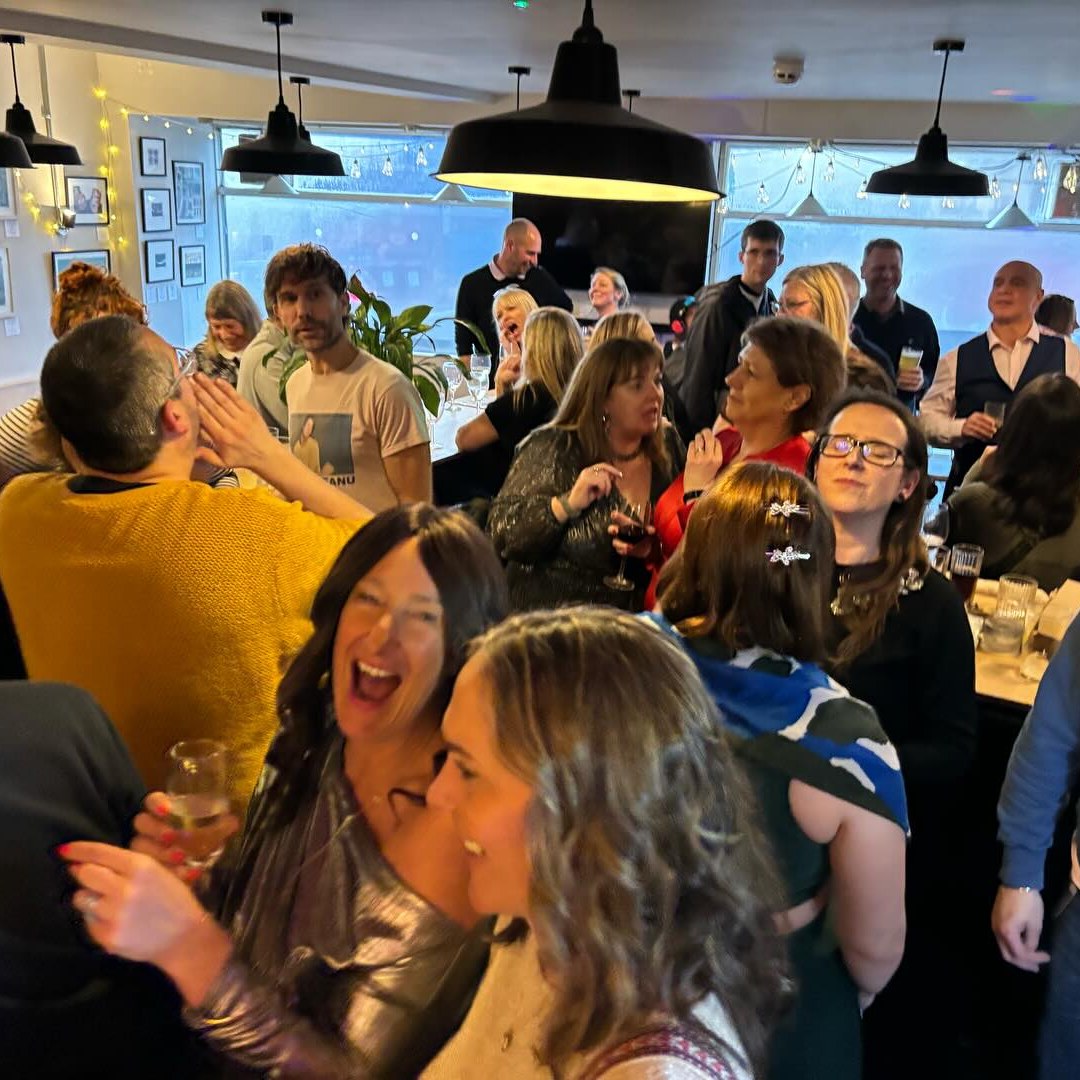
As an established craft beer taproom here in Brighton's Fiveways area, these changes reinforce our role as a vital part of the city's independent beer scene. While new venues face restrictions, we continue championing the craft beer revolution with our carefully curated selection from independent brewers across the UK.
We're committed to supporting both local Sussex brewers and exceptional independent producers from further afield, ensuring our taps always offer something special for every craft beer enthusiast. Our established status means we can continue bringing you the diverse, high-quality selection that makes Brighton's craft beer scene so special.
Looking Forward: Supporting Brighton's Craft Beer Future
These licensing changes don't spell doom for Brighton's craft beer culture – they're reshaping it. As existing taprooms like ours become increasingly important, we're doubling down on our commitment to the craft beer community.
Whether you're a seasoned craft beer lover or just beginning to explore beyond the big brands, supporting independent Brighton venues has never been more crucial. Every pint you enjoy with us, every event you attend, every recommendation you share helps sustain the vibrant, diverse craft beer scene that makes Brighton special.
The new licensing landscape might be challenging for newcomers, but it hasn't dampened our enthusiasm for great beer, good company, and the kind of authentic experiences that define true craft beer culture. Come join us at Lost and Found Taproom – where the craft beer revolution continues, policy changes or not.
After all, the best way to support Brighton's craft beer future is to be part of it, one carefully crafted pint at a time.